
Florida Panther Payment for Ecosystem Services Pilot Program
Corridor Conservation: Florida Panther Payment for Ecosystem Services Pilot Program
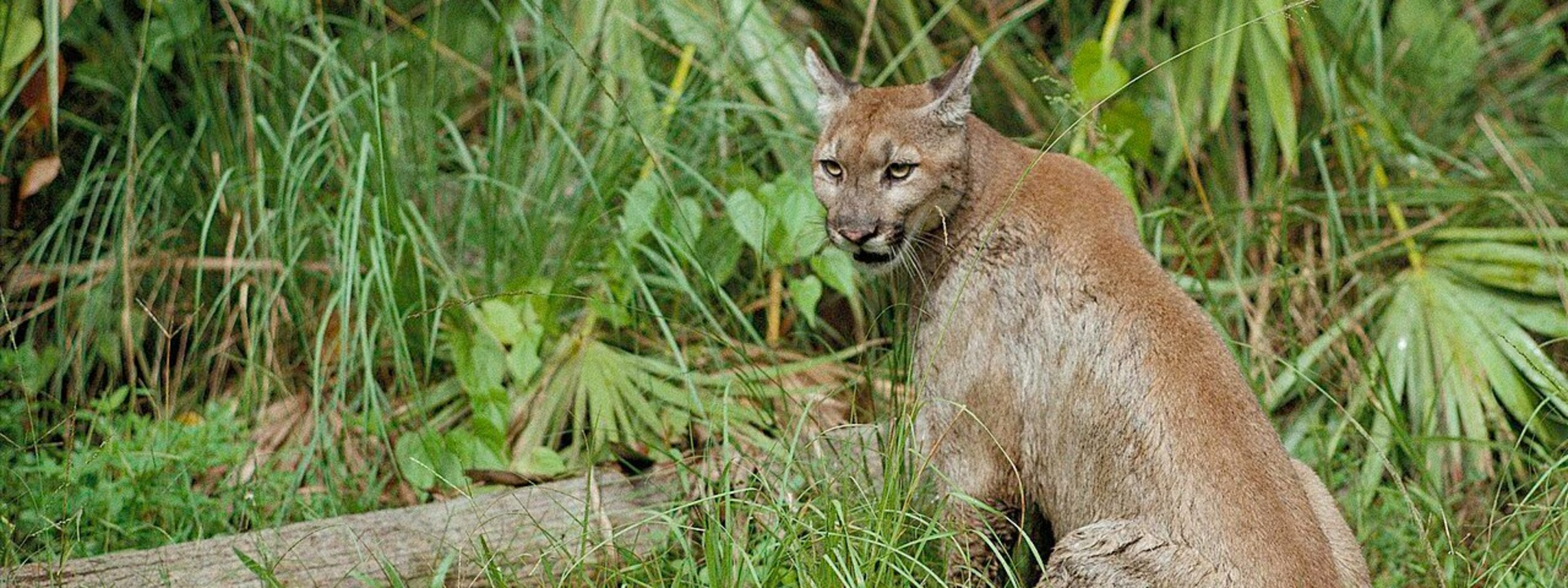
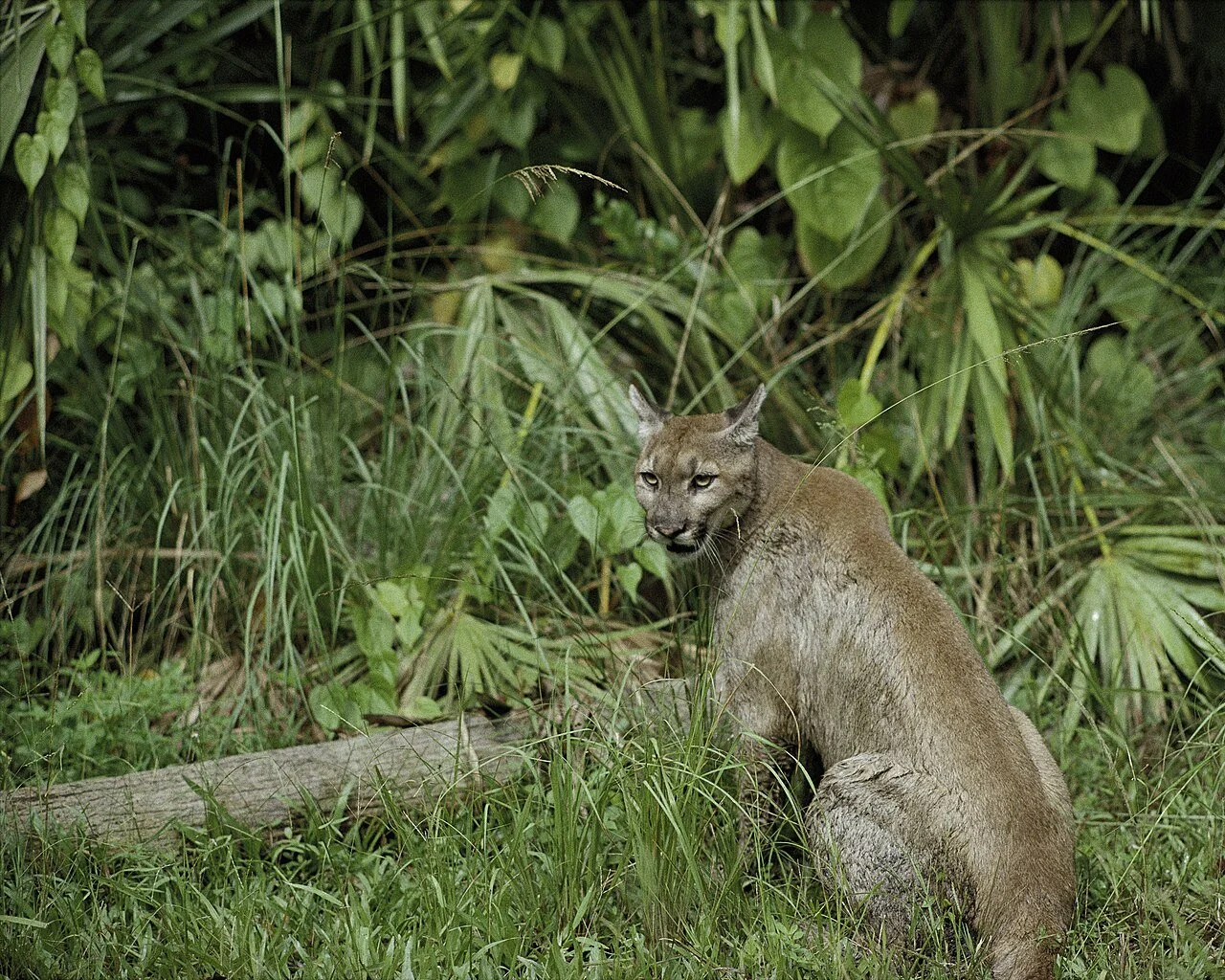
Florida’s Fish and Wildlife Commission (FWC) recently rolled out a program to pay private landowners for maintaining and improving Florida’s panther habitat. The Florida Panther Payment for Ecosystem Service (PES) Pilot Program is a unique example of a public-private partnership aimed at improving and maintaining habitat connectivity for wide-ranging species.
The FWC is offering annual payments to qualifying landowners who own land that has Florida panther habitat with high-priority conservation value. The voluntary program will be implemented on a competitive basis, with funds given out based on the location, amount, and quality of the panther habitat.
Additional funding will be available for landowners willing to coordinate with the FWC to monitor panther use of their property, providing extra payments for evidence of panther presence on their lands. The program also provides information on land management techniques to improve wildlife habitat and measures to mitigate livestock depredation.
Working lands are specifically targeted by this program, with activities such as hunting, grazing, and siliviculture explicitly identified as compatible uses. Some of the basic qualifications of the program include being located within 2 miles of the Florida Wildlife Corridor, a minimum of 500 contiguous acres with at least 10% native forest cover, less than 70% open habitat, and less than 25% invasive plant cover.
Applicants will be scored based on an assessment of corridor proximity, documentation of panther presence, forest cover, midstory cover, open habitat, and invasive plant presence. Following the scoring process, applicants will be placed into three Habitat Quality Tiers. As an example, a landowner with 2500 acres enrolled in the program under Tier 1 Habitat Quality will receive a base payment of $42,500. Bonus payments are also available for placement of wildlife cameras as well as payments per dated and georeferenced panther image. Lands under conservation easement are eligible unless their language requires mitigation of wildlife habitat loss.
The program is another step in Florida’s bipartisan efforts to conserve and improve habitat connectivity across the state, dating back to the 2013 Florida Wildlife Corridor Resolution. Voluntary programs such as the PES provide important opportunities for private landowners to contribute to connectivity conservation, while also creating progress towards 30 by 30 goals.
Please note: This digest is intended to provide up-to-date information on policy development from a neutral, unaffiliated position as it relates to connectivity and corridor science and management.
Florida Panther Payment for Ecosystem Services Pilot Program - Conservation Corridor