
A Strategy to Save Wild Florida
A new editorial from the Orlando Sentinel: A Strategy to Save Wild Florida
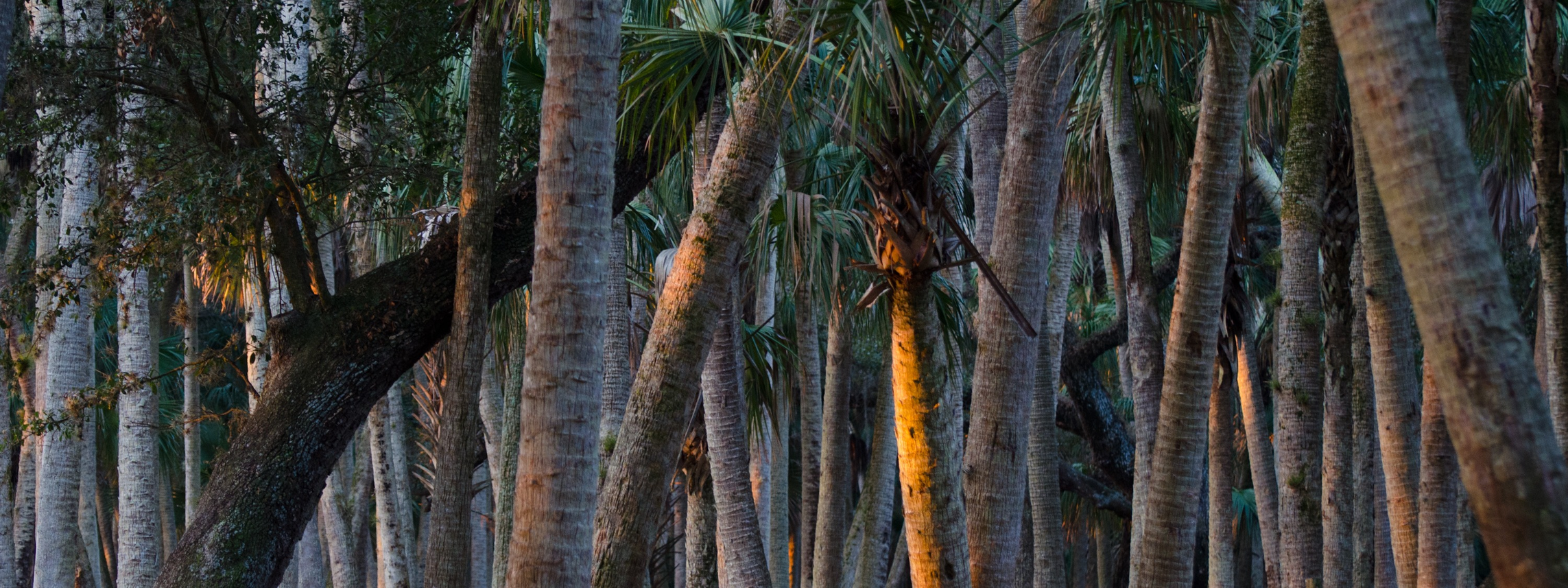
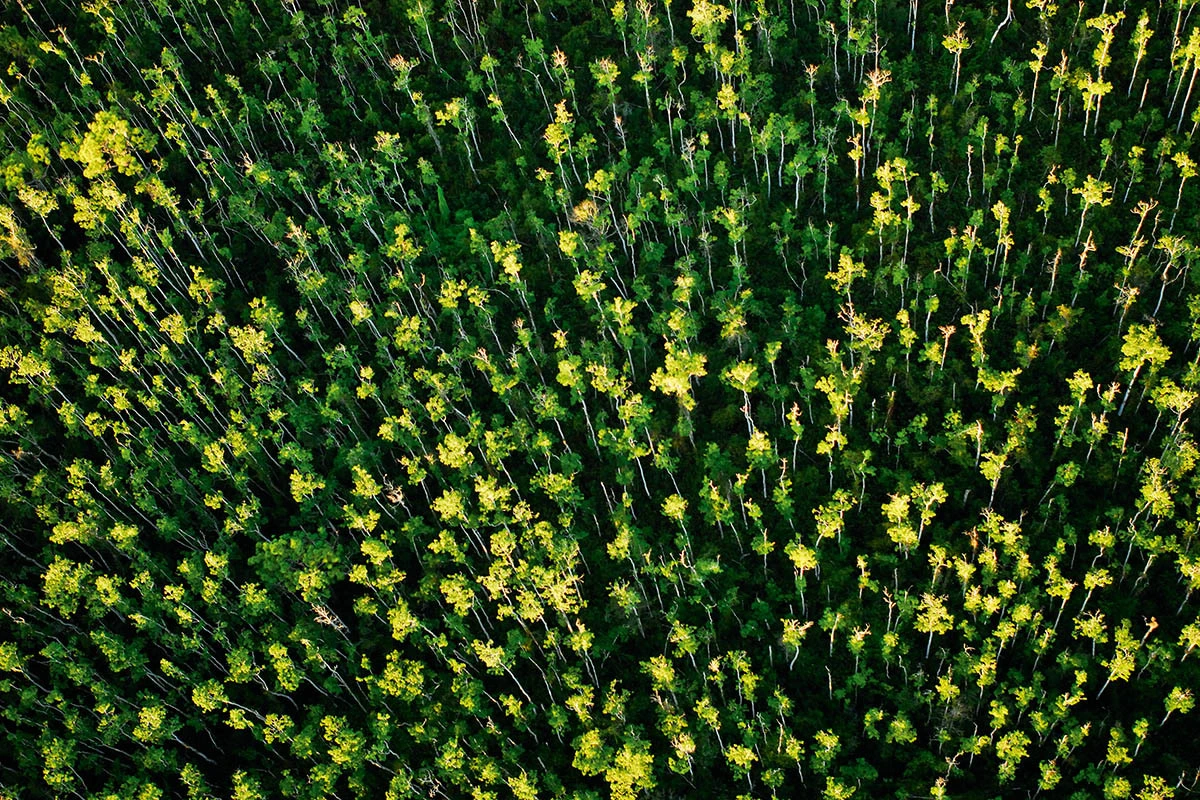
Across Florida, more than 10 million acres of land are being managed for conservation — roughly 30% of the state’s surface area. There are sandy uplands and swampy wetlands, miles of shoreline — including some of Florida’s loveliest beaches — and vast expanses of majestic pine forest. There are lands deep in the Everglades where a human voice may not have been heard in decades, thousands of undisturbed acres in military bases and NASA installations and working ranches where cattle roam on land that’s also traversed by black bears, wild pigs, armadillos and other wildlife.
Some Florida leaders would tell you that it’s enough. They have complained that the managers of these lands don’t make enough use of protected property — that more conservation land should be open for hunting, fishing, camping, even the invasion of motorized ATVs and sport bikes that gouge paths through wildlands. Some even argue for more intense agricultural activities such as logging. They resist the notion that Florida needs to preserve more.
But people who love Florida for what it has always been — a collage of ecosystems teeming with diversity, dotted with sparkling lakes, shadowed forests and vast grassy prairies — are more worried than ever. They are watching growth accelerate in Florida, with trees falling and bulldozers rumbling in. They see wildlands being consumed 100, 200, 500 acres at a time, and plans pushing forward for mega-developments that are, in essence, new cities.
They believe Florida needs to act fast, and to be thoughtful about what is chosen for preservation if they want to preserve the natural beauty and diversity of our state.
As these developments cut across Florida, bringing humans with all their inevitable baggage — fertilizers, vehicles, asphalt, rooftops — they are severing the connections that at-risk species like the desperately endangered Florida panther need to survive. Their effluent is pouring into waterways to catastrophic effect, stripping seagrass and killing manatees. No open land is safe. Unless steps are taken to save it. And now more than ever, those conservation efforts must be plotted strategically, linking existing preserves before the connections can be disrupted.
Florida was a pioneer in the effort to preserve land, with local, state and federal dollars pouring into funds set up for conservation. But there is a limit to what the state can spend. It’s time to get strategic.
The Florida Wildlife Corridor Act encourages purchases along the 18 million acres of land designated as part of the corridor. The legislation sets aside $300 million for corridor acquisitions (which could be augmented by some of this year’s $100 million Florida Forever allocation, along with contributions from local conservation funds.) Gov. Ron DeSantis advocated for the legislation, which he rightly counts as an environmental victory and signed with a flourish. As Nature Conservancy in Florida Executive Director Temperince Morgan said, “There is great economic opportunity in the preservation of our natural places, and the importance of access to nature for our physical and mental wellbeing, as well as for recreational opportunities cannot be understated. The signing of the Florida Wildlife Corridor bill demonstrates the Florida Legislature, Governor DeSantis and the state’s continued commitment to protecting rare and sensitive lands.”
Pieces of Highlands County have been purchased by the State for conservation.
Plans can change with every election. DeSantis’ predecessor, current U.S. Sen. Rick Scott, saw little value in conservation for most of his term and routinely violated the trust of voters who mandated that money be set aside for conservation, a position he only reversed in his last year in office.
That should prompt state leaders to move as fast as they can — and to focus on those properties that will strengthen the corridor the most. They are in a race against the bulldozers, the houses, the strip malls and office complexes. And once links along the corridor are severed, they can never be restored.
A strategy to save wild Florida | Highlands News-Sun | midfloridanewspapers.com