
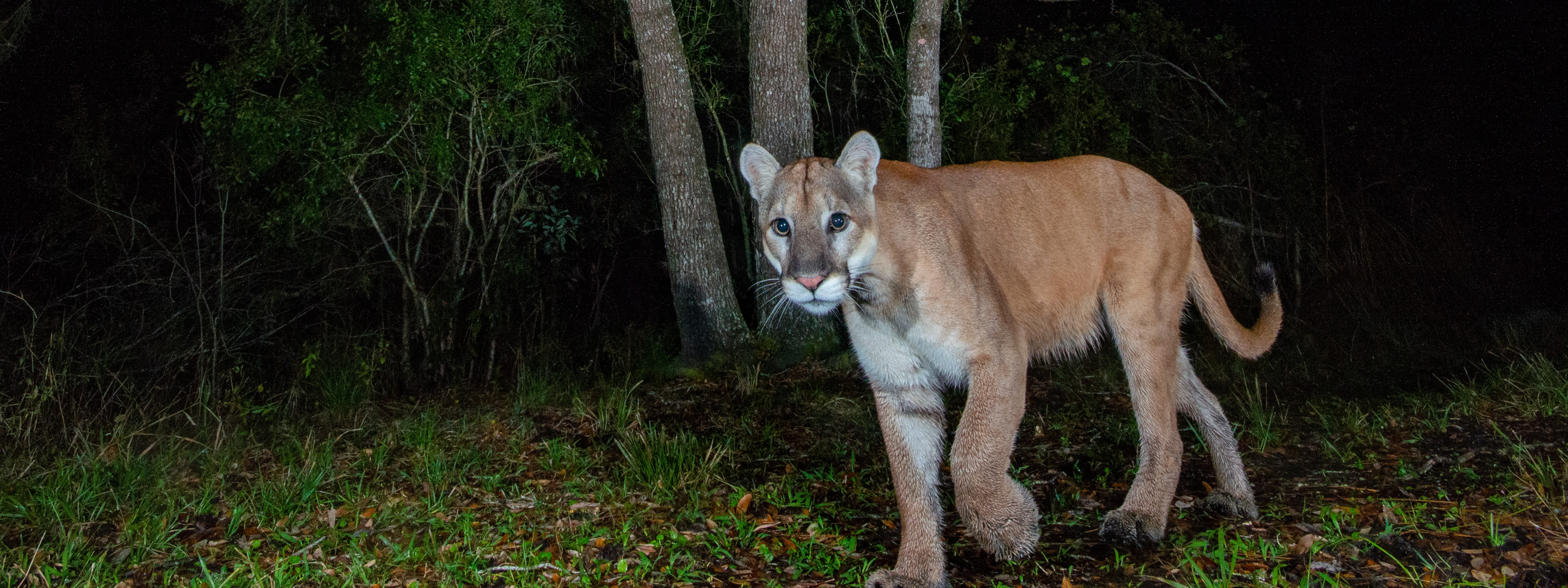
Second rare Florida panther killed by vehicle in a week
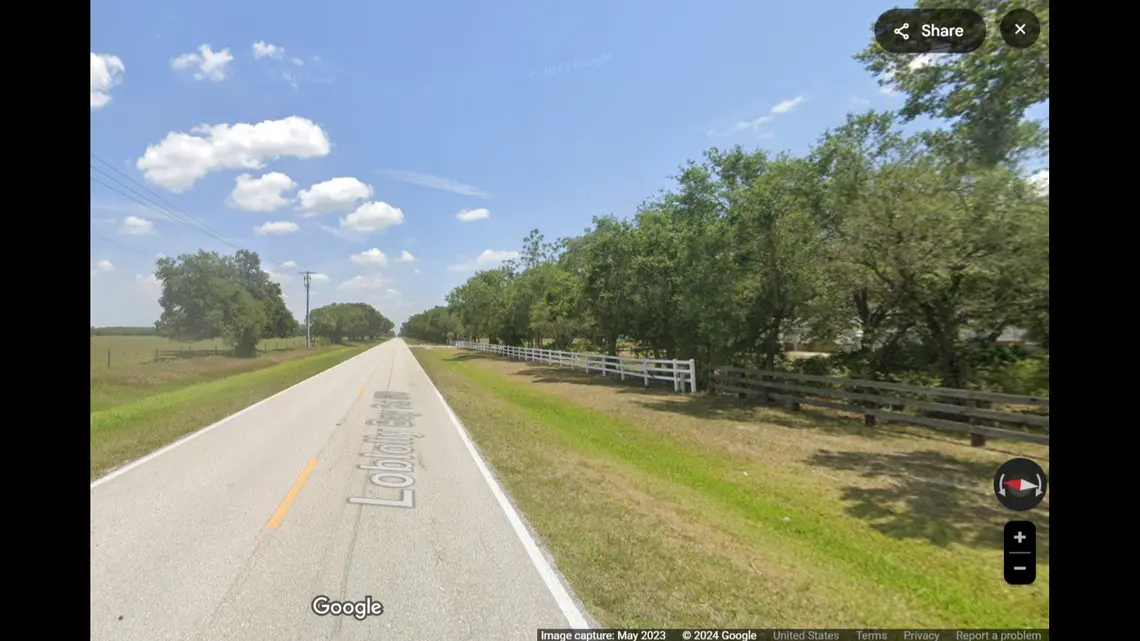
by Miami Herold's Emily Lloyd
A young Florida panther, estimated to be less than a year old, was found dead from a vehicle strike, becoming the second panther killed by a vehicle in less than a week. Vehicle strikes have helped make 2024 the deadliest year for the elusive and endangered Florida panther since 2016, with 32 deaths documented this year, according to the Florida Fish and Wildlife Conservation Commission’s Panther Pulse database.
With only 120 to 230 panthers estimated to be left in the wild, 32 deaths comprise more than 10% of the population. The latest panther, a male about 7 or 8 months old, was discovered dead Dec. 4 in Glades County, according to Panther Pulse. Only five days earlier, a 9-year-old male died from a crash on Interstate 75 in Collier County.
The death of the young panther follows a trend documented by wildlife experts, who noted that only a third of panther kittens make it to their first birthday. More panthers die each year from vehicle strikes than any other cause, according to the FWC. Five panthers were killed by vehicle strikes in the span of one month, McClatchy News reported in November. Traci Deen, CEO of Conservation Florida, told McClatchy News urban development in previously rural areas has brought more panthers into contact with humans. “And unfortunately, in the panther’s case, we’re seeing a higher number of deaths, and that’s really problematic when there are only so many of them left in the world,” Deen said. “So when we have a population of only about 200 give or take, and we lose over 30 in just one year, we have to stop and ask, what are we doing?” Conservation Florida facilitates land deals and conservation easements that protect water, land and wildlife as the state’s population expands.
We are not going to stop the growth of our state, and in many ways, growth is a good thing,” Deen said. “But as we grow, we have to increase the pace of land conservation, or we will lose species like the Florida panther.” Deen says it’s possible to mitigate what seems like an uphill battle for the Florida panther. One method is creating wildlife corridors, which are swaths of wild land that connect animals’ habitats so they can avoid roads or other development when moving across their usual territory.
“The more wild places that our wide-roaming mammals have ... the less likely they are to try and cross a road,” Deen said. “But it’s not going to be the only solution. We’re also going to see additional wildlife crossings as well, but one of the most important things is to ensure that we have a connected corridor for these species to traverse.” Currently, the construction of roads and human development is confining the panther population to smaller and smaller areas of wild habitat that isn’t bisected by roads. “As the panthers’ habitat is squeezed (by development), there are fewer options for the panther to move. And so therefore we’re seeing more strikes,” Deen said. “If we are strategic about conserving land, we’re protecting those safe routes, that’s one of the solutions to reducing the number of strikes and to ensure that the population has a fighting chance.”
To report a sick or injured panther, contact the FWC’s Wildlife Alert Hotline at 888-404-3922.