
That Florida Wildlife Corridor Part 2: Strand to Slough
New in Coastal News Breeze by Matea Denisen
With 10 million acres of the Florida Wildlife Corridor already conserved, environmental organizations race to protect the remaining eight. As developmental growth takes precedence in Florida’s growing population, urgency is mounting. Conservation leaders stress that this decade is pivotal for ensuring the Corridor remains a vibrant tapestry connecting Florida’s unique natural heritage and ecosystems.
Paul Marinelli, Board of Directors Chairmen of the Florida Wildlife Corridor Foundation and longtime Naples resident, shares about the unsettling task of prioritizing the most threatened and valuable connections. “Where do you start in protecting the remaining eight million acres? That seems daunting.” That’s why the Corridor Foundation staff and partners have gathered local organizations, trekkers, and filmmakers in the heart of Collier County- to document and advocate for the ecological significance of Naples and the surrounding areas.
The Strand to Slough Expedition, a week-long trek that began on November 16th, traversed Southwest Florida’s wild and working landscapes, from the wetlands of Picayune Strand to the banks of the Caloosahatchee River, documenting Collier County’s beauty- and fragility.
Each expedition is meticulously designed to engage those who know the land best- scientists, land managers, ranchers, and recreational users whose lives are intertwined with the Corridor. “As a trekker, we have the privilege of getting to experience the trails, but we also have the responsibility of sharing that experience with everyone else through our stories and conversations,” said Laura Foht, a local trekker chosen by the Corridor Foundation to be a pathway between lay people and organizers on the Expedition.
Strand to Slough is the seventh Florida Wildlife Corridor Expedition of its kind, originating in 2012 with 1,000-mile continuous hikes from start to finish. Previous treks introduced the Corridor concept to the public through robust media campaigns and award-winning films, galvanizing support for conservation efforts. By revisiting key areas at risk, these journeys have deepened the understanding of the Corridor’s most pressing challenges and opportunities.
“It’s a chance to go deep in a place and share that story with people who can’t go out in the Corridor themselves but want to follow along,” explains Mallory Dimmitt, CEO of the Florida Wildlife Corridor Foundation. “Illustrating what we’re doing and telling stories is an art that has a real power to move people and change their hearts and minds.”
The current Expedition is a living story of connection, resilience, and purpose, threading through Florida's landscapes and serving as a hands-on exploration of the Corridor’s southwestern edge. A region as ecologically rich as it is vulnerable to fragmentation. Em Kless, another local trekker on the Expedition, shares insight into the changes she’s witnessed growing up in North Naples. “The smell of construction is what reminds me of childhood most. Every week, we’d watch a corner with four sides of pine flatwoods go down one by one. The expanse of suburban sprawl has been so jarring to see.”
Southwest Florida's coastal wetlands, swamps, and cattle country are some of the most vulnerable chokepoints along the Corridor- critical areas where fragmentation threatens to sever the ecological lifelines linking habitats and species. Jason Lauritsen, Chief Conservation Officer, explains a focal point of the Strand to Slough Expedition. “Camp Key Strand and the Corkscrew Regional Ecosystem Watershed (CREW) Marsh up to the Okaloacoochee (OK) Slough mark two branches of connection that are at risk, and we would love to see conserved.”
Camp Key Strand currently has an area of connection to the corridor, but there is vulnerability to fragmentation due to the roads and traffic. As the CREW Marsh System to the OK Slough has models for panther least-cost pathways that show promising direction for conservation, there is still no protection currently on the ground. Lauritsen expands, “We’re working with partners on acquiring the conservation land between CREW and Okaloacoochee to designate wildlife crossings across US 29 and State Road 82.” He urges residents to keep these areas on their radar for further infrastructure.
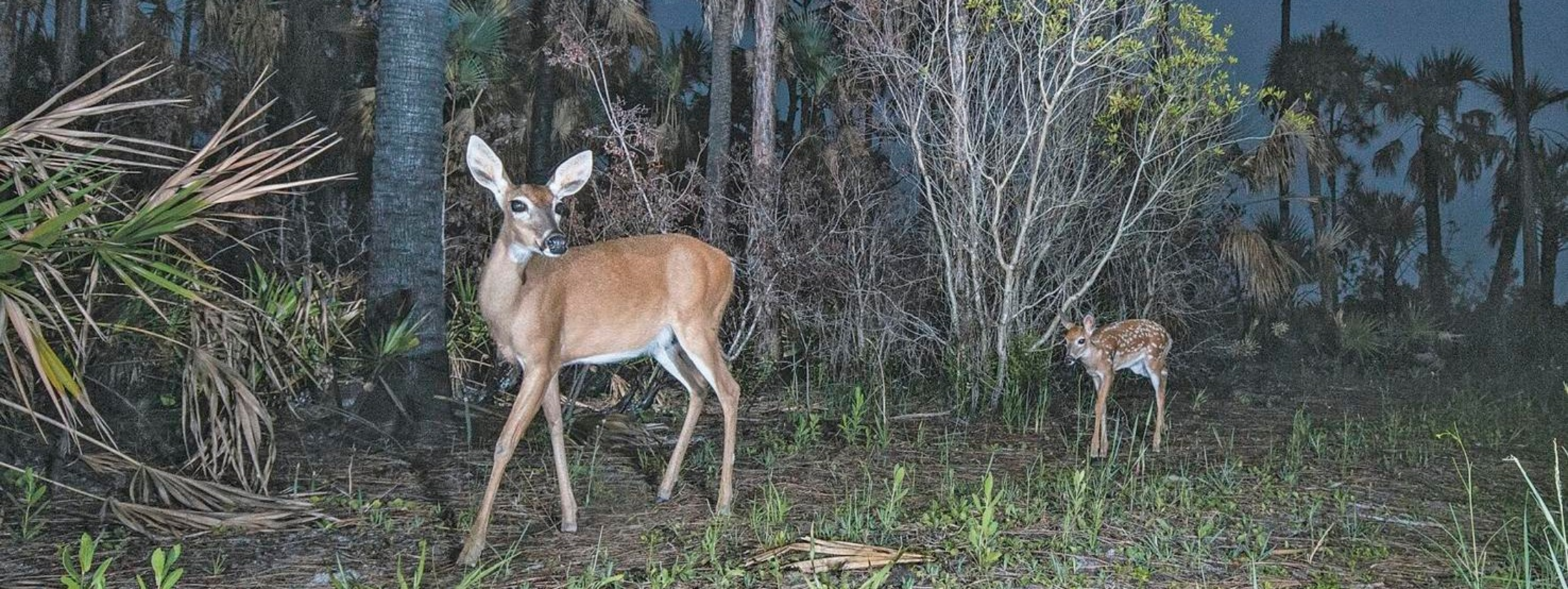
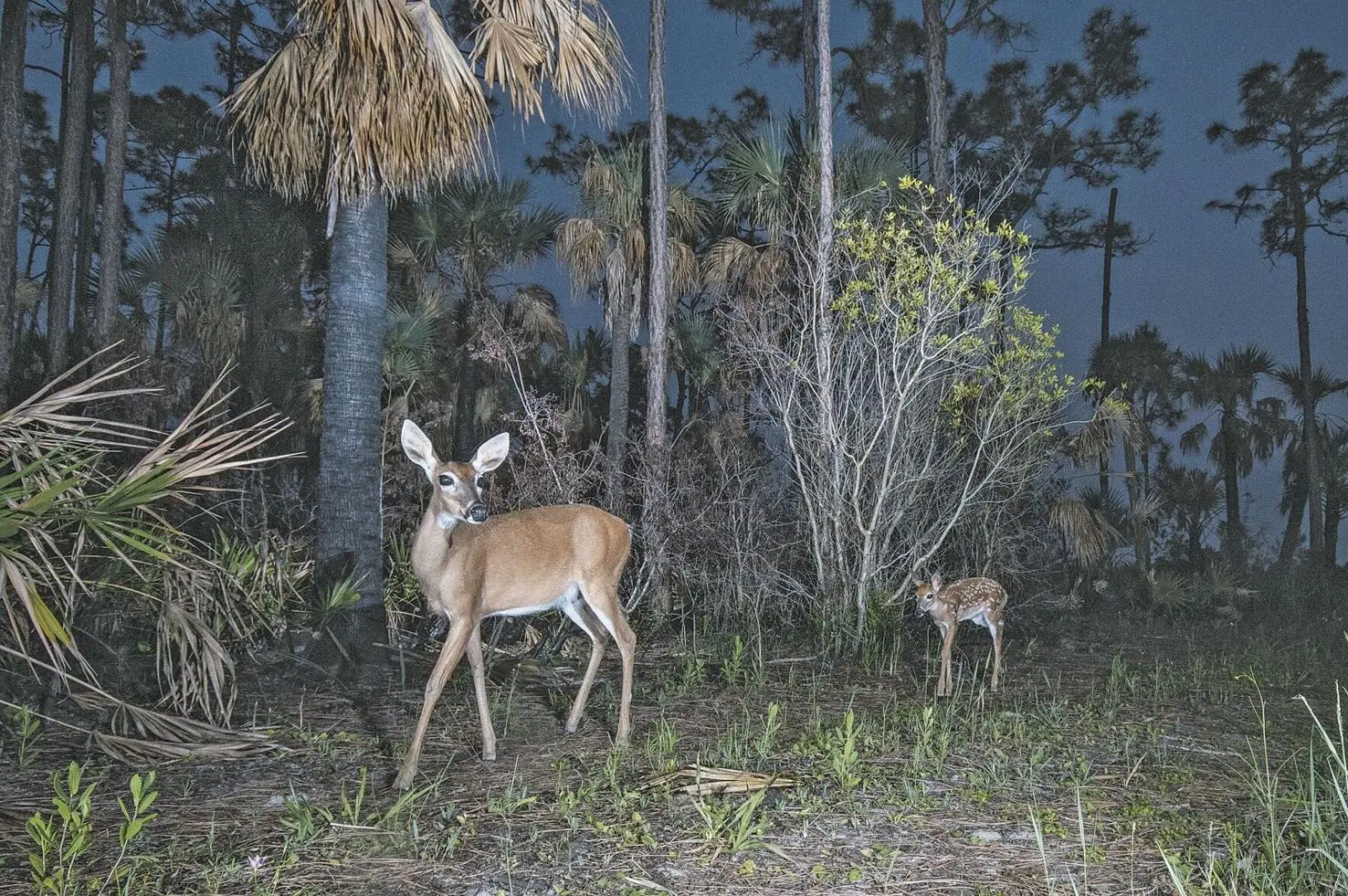
The Florida Wildlife Corridor Foundation, Conservation Collier, Florida Department of Transportation, and other partners hope to maintain permeable wildlife crossings between the CREW Marsh and OK Slough. Wildlife crossings are crucial for maintaining ecological connectivity and ensuring the survival of both wildlife and human communities. These crossings - such as underpasses, overpasses, and culverts - serve as a refuge for animals, allowing them to safely move between fragmented areas to access food, water, shelter, and breeding grounds. They also prevent collisions between vehicles and large animals that can lead to serious injuries, fatalities, and costly property damage.
To illustrate the importance of these wildlife crossings, the Strand to Slough Expedition focuses on the delicate balance between conservation and development. Through the lens of an all-female-led film crew, the team documents the peaks and valleys of progress within the Corridor. “We have footage of wildlife using these places, so they’re definitely out there,” said Page Buono, director of the working Strand to Slough documentary. “However, the ability for wildlife to live here and development are racing neck-and-neck. The pace of development is happening so quickly that if we don’t choose conservation, the future will be gray- it will be rooftops.”
Ryan Young, owner of Naples Outfitters and expedition leader, agrees. He shares a story about his experience being responsible for the trekkers’ welfare in Florida’s dense wilderness. “Throughout the journey, some places were more wild than others. Yet, the only times when I was really nervous for the safety of our crew was when we were in populated areas.” He spotlights a transition point when they biked across Corkscrew Road - an expressway with minimal shoulder and cars speeding at up to
100-miles-per-hour. “If you can imagine being wildlife crossing that road - it is just as dangerous and difficult.”
Strand to Slough underscores a stark reality: the future of Florida’s wildlands and the species and people they sustain hinges on decisions made today. Southwest Florida, and Naples in particular, lies at the crux of this challenge. “I would argue that right here in Collier County is some of the most environmentally valuable and sensitive areas in the state and it’s also under some of the greatest threat,” said Marinelli.
Kless explains how she remains positive with pressure from rapid development and the urgency to act. “I find that the people that I see out on the trails and meet through my work and the Foundation have a shared passion for conservation - they help me feel like I’m not alone in this.”
Hope lies in the commitment of those who believe in the Corridor’s vision. From local trekkers sharing their personal stories to ranchers collaborating with conservationists, there is a growing momentum for change. Keith Laakonen, Sanctuary Director of Corkscrew Swamp, is cautiously optimistic. “If you asked me 10 years ago my predictions for the future, it probably would have been more negative. But I see Floridians caring and legislature stepping up.”
Through documentaries and outreach, the Strand to Slough Expedition transforms stories into a shared vision, inspiring Floridians to recognize and protect the global treasure that is the Florida Wildlife Corridor. The resulting film will amplify the Corridor’s mission: long-term prosperity and quality of life depend on a healthy, connected, and thriving natural world. All previous six films can be viewed for free at floridawildlifecorridor.org/about-expeditions/. The Strand to Slough documentary (which is currently unnamed) will be premiering Spring of next year in Naples and online at supporting platforms. To learn more about the Florida Wildlife Corridor Foundation and their partners, visit floridawildlifecorridor.org.