
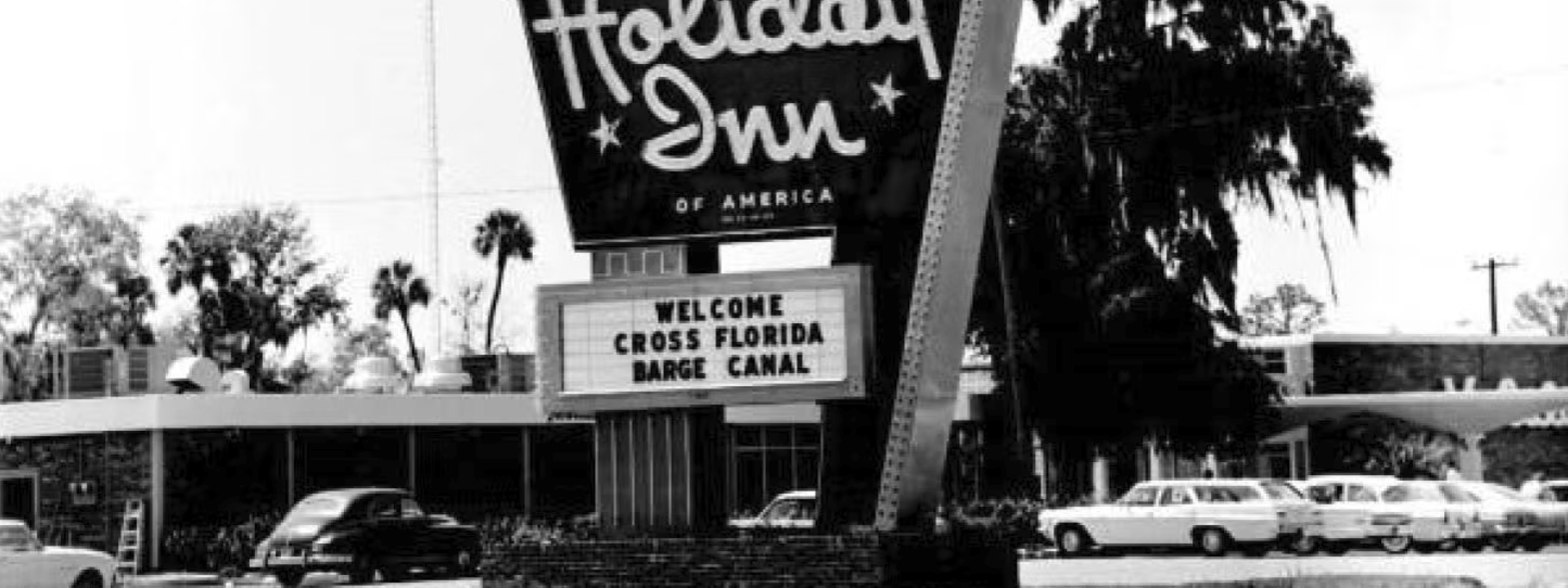
OCALA, Fla. — A planned waterway that would have cut Florida in half is now one of the state’s most unique outdoor destinations.
The Cross Florida Barge Canal was envisioned as a 107-mile shipping canal connecting the St. Johns River near Palatka to Yankeetown on the Gulf Coast.
But concerns that the project could allow saltwater to contaminate Florida’s freshwater aquifer prompted President Richard Nixon to halt construction in 1971.
Today, that unfinished canal has been transformed into the approximately 110-mile Marjorie Harris Carr Cross Florida Greenway, a scenic corridor stretching from the Ocala area east to the Rodman Dam/Kirkpatrick Dam.
Along the route are about 10 major public recreation areas and trailheads where visitors can hike, bike, ride horses, camp, fish and enjoy Florida’s natural beauty.
“It’s the largest dam in all of Florida,” said Steve Noll, an instructional professor in the University of Florida’s history department. “Depending on water levels, millions of gallons pass through each day.”
Although the Rodman Dam remains one of the most recognizable remnants of the canal project, Noll says it no longer serves the purpose for which it was built.
“Fifty-five years after the canal was stopped, and the dam is still serving really no purpose,” Noll said.
Noll has written about the Cross Florida Barge Canal and the struggle for Florida’s future.
The Rodman Reservoir was once intended to carry barges across the state.
“The canal would have gone across the reservoir. This way,” Noll said, pointing across the water.
Instead of commercial shipping, the former canal corridor has become a destination for outdoor recreation and wildlife conservation.
“So, it’s about 110 miles that the Greenway makes up. And it’s the path that would have been the barge canal that would have split Florida into two,” said Jessica Heller, marketing supervisor for the Ocala Marion County Visitors and Convention Bureau.
One of the Greenway’s signature attractions is the Florida Wildlife Corridor Land Bridge over Interstate 75.
The massive overpass reconnects wildlife habitat on both sides of the interstate while also allowing people to walk, bike, and ride safely across.
“It’s a story that turned something that people were concerned about what it would do to the environment, to then an environmental success story,” Heller said. “So, you have the huge road that’s I-75, and it’s kind of a natural way. That is just a safe way for animals in our beautiful area to cross.”
Noll said Florida’s history could have unfolded much differently had the canal been completed.
“Originally, when it was started in the 1930s, it was a ship canal and oceangoing vessels would have traversed the state," he said. "And Ocala would have been the largest inland port in the nation."
Today, visitors can access the Greenway through about 10 major recreation areas and trailheads, including Baseline Trailhead, the Florida Wildlife Corridor Land Bridge Trailhead, Santos Trailhead, Santos Campground, Ross Prairie Trailhead and Campground, Pruitt Trailhead, Marshall Swamp Trailhead, Delancy Trailhead, Rodman Campground and the Rodman Recreation Area.
What was once one of America’s most ambitious public works projects has become an environmental success story — preserving wildlife, protecting natural resources and giving Floridians and visitors alike a place to explore for generations to come.