
Pining for posterity: Osceola Pines easement locks up key Levy County timberland
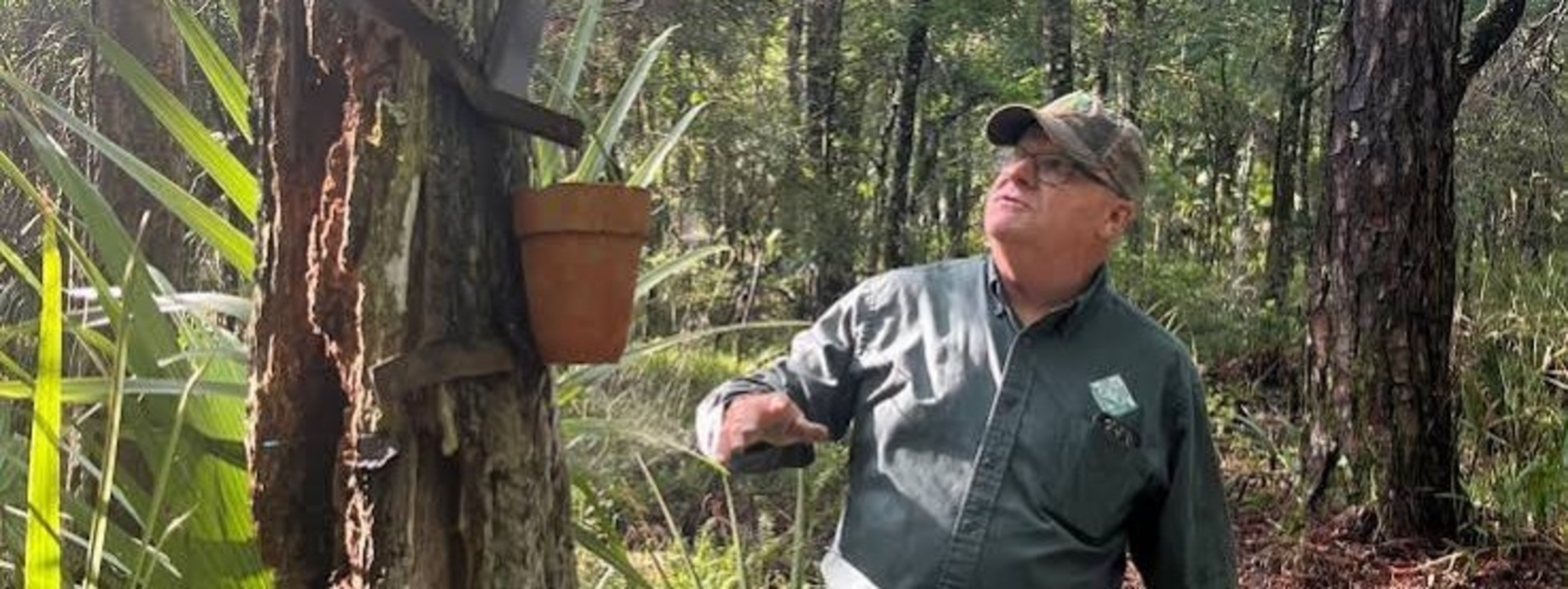
John Nash‘s experience with trees once began and ended with the one he bought each December. Now 545 acres of his Levy County pineland will stay standing forever.
Osceola Pines sits in the Big Bend, between the Suwannee and Waccasassa rivers. Creeks, streams and springs cut through it. On July 31, a conservation easement closed that protects the timberland in perpetuity.
The money came from two places: the state’s Rural and Family Lands Protection Program (RFLPP) and the federal Regional Conservation Partnership Program (RCPP), a U.S. Department of Agriculture initiative run through the Natural Resources Conservation Service (NRCS). The Florida Conservation Group (FCG) worked the deal for the Nash family.
Nash found the property 24 years ago. He wasn’t a forester. He was a banker who liked to hunt.
“Before I bought Osceola Pines, my experience with trees was buying one every Christmas and putting it in a stand,” Nash said. “I was just a banker in Bradenton but I loved to hunt for wild turkey and I’d learned what kind of property is most suitable for their habitat. That’s why I fell in love with the hammocks and pines and all the wildlife in this forest.”
He learned fast. Nash and his wife, Allison, have restored the western Levy County property for years, balancing timber production with habitat work for wild turkey and other wildlife. They lean on the Florida Forest Service, USDA NRCS and the National Wild Turkey Federation for help. The state named the couple its Tree Farmers of the Year in 2017. John is the immediate past President of the Florida Tree Farm Program.
FCG Executive Director Julie Morris said the property is a model for protecting the Florida Wildlife Corridor in North Florida. It sits in the Waccasassa Bay watershed near Otter Creek. Four estuarine streams drain through it toward the Gulf. Near the coast, they reach two Outstanding Florida Waters: the Big Bend Seagrasses Aquatic Preserve and Waccasassa Bay Preserve State Park.
“The Rural and Family Lands Protection Program is an investment in the quality of life of every Floridian. These conservation easements preserve working lands that produce the agricultural products Floridians rely upon while protecting the spaces we cherish, safeguarding clean water and air, supporting wildlife habitat and strengthening our nation’s food security,” Morris said.
The federal side came through the Alachua Conservation Trust (ACT), a Gainesville land trust. Its Forest to Gulf RCPP project covers seven counties, pine forests included.
“It’s rewarding to know that this 545 acres in Levy County has been permanently protected, safeguarding its timber production, wildlife habitat, and wetland features for generations to come,” said ACT Executive Director Tom Kay. “We appreciate the Nash family’s trust throughout the process, and the effort of all the partners involved to make this happen.”
The property came with a past, too. Turpentine camps. Railroads. Native American sites going back thousands of years. Nash said he learned all of it only after the easement work began.
“This particular property has a lot of turpentine history, railroad history and Native American history, some of it dating back thousands of years which I wouldn’t have learned had I not met Julie eight years ago to start this conservation easement,” Nash said. “I am grateful to Commissioner Wilton Simpson and Governor Ron DeSantis for their commitment to expanding the Florida Wildlife Corridor, including my timberland.”
Morris isn’t done in North Florida. She wants more timberland in critical watersheds under FCG protection.
“With the preservation of Osceola Pines, we will have protected over 8,000 acres in Levy County,” Morris said. “But we couldn’t do it without the stewardship ethic and passion of a landowner like John Nash or the hard work of Alachua Conservation Trust, and the RFLPP and NRCS programs.”
Not bad for a guy whose first tree came with a stand.
___
Ed. note: This story was drafted with assistance from AI. Editorial judgment, sourcing, and final review were performed by Peter Schorsch and the Florida Politics editorial team.