
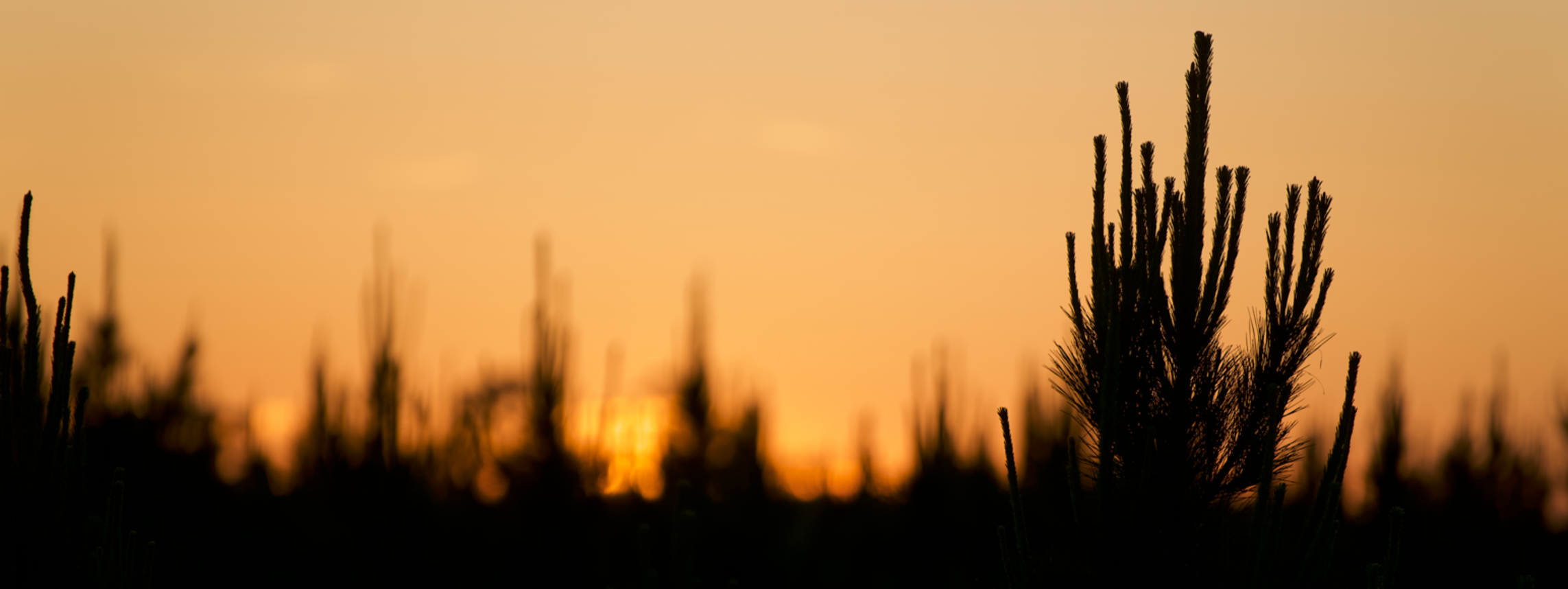
The Nature Conservancy Protects Over 2,200 Acres Near Apalachicola River, Strengthening Florida Wildlife Corridor
Eric Michael
Communications Director
The Nature Conservancy
Email: [email protected]

The Nature Conservancy (TNC) has protected more than 2,200 acres at Telogia Creek in Liberty County, adding to a 22,000-acre wildlife corridor in North Florida. The acquisition strengthens linkages between TNC’s Apalachicola Bluffs and Ravines Preserve (ABRP), Torreya State Park, Telogia Creek Wildlife Management Area and Apalachicola National Forest to create a more connected landscape for wildlife.
"TNC’s land protection efforts focus on places critical for biodiversity, ecosystem resilience and
landscape connectivity, including urgent gaps in the Florida Wildlife Corridor,” said Greg Knecht,
Executive Director of TNC in Florida. “If we don’t protect these places, a connected Florida
Wildlife Corridor is at risk.”
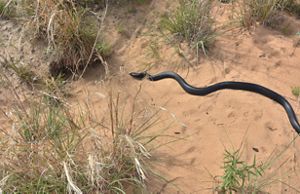
The protection of the Telogia Creek property expands the acreage of permanently conserved lands within the Florida Wildlife Corridor—a biodiversity hotspot. The newly protected property is particularly significant for the federally threatened eastern indigo snake, North America's longest native snake and one of the Southeast's most iconic species.
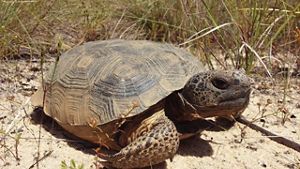
North Florida Wildlife
These animals of the southeastern sandhill ecosystem rely on clear groundcover for movement and foraging. Natural and prescribed fire helps native plants and animals thrive, and once fire is returned to this landscape, the pine tree forest can welcome even more wildlife.
By protecting this property alongside other critical conservation lands, TNC and its partners are helping advance the statewide vision of the Florida Wildlife Corridor: a connected network of lands and waters that allows wildlife to move, habitats to remain resilient and Florida’s natural systems to function across the state. Together, these protected places help link conservation areas into the connected corridors that wide-ranging species need to survive and thrive.
This effort represents another important step in TNC's long-term commitment to conserving the Apalachicola River region. Financial support from TNC donors was critical in making this acquisition happen. By protecting key areas like Telogia Creek, TNC, our donors and our partners are helping build a future where wildlife can move safely across Florida’s forests, rivers and wetlands for generations to come.


The Nature Conservancy is a global conservation organization dedicated to conserving the lands and waters on which all life depends. Guided by science, we create innovative, on-the-ground solutions to our world’s toughest challenges so that nature and people can thrive together. We are tackling climate change, conserving lands, waters and oceans at an unprecedented scale, providing food and water sustainably and helping make cities more resilient. The Nature Conservancy is working to make a lasting difference around the world in 83 countries and territories (39 by direct conservation impact and 44 through partners) through a collaborative approach that engages local communities, governments, the private sector, and other partners. For more news, visit our newsroom or follow The Nature Conservancy on LinkedIn.