
Governor Ron Desantis Approves Protection of 34,595 Acres of Florida Wildlife Corridor.
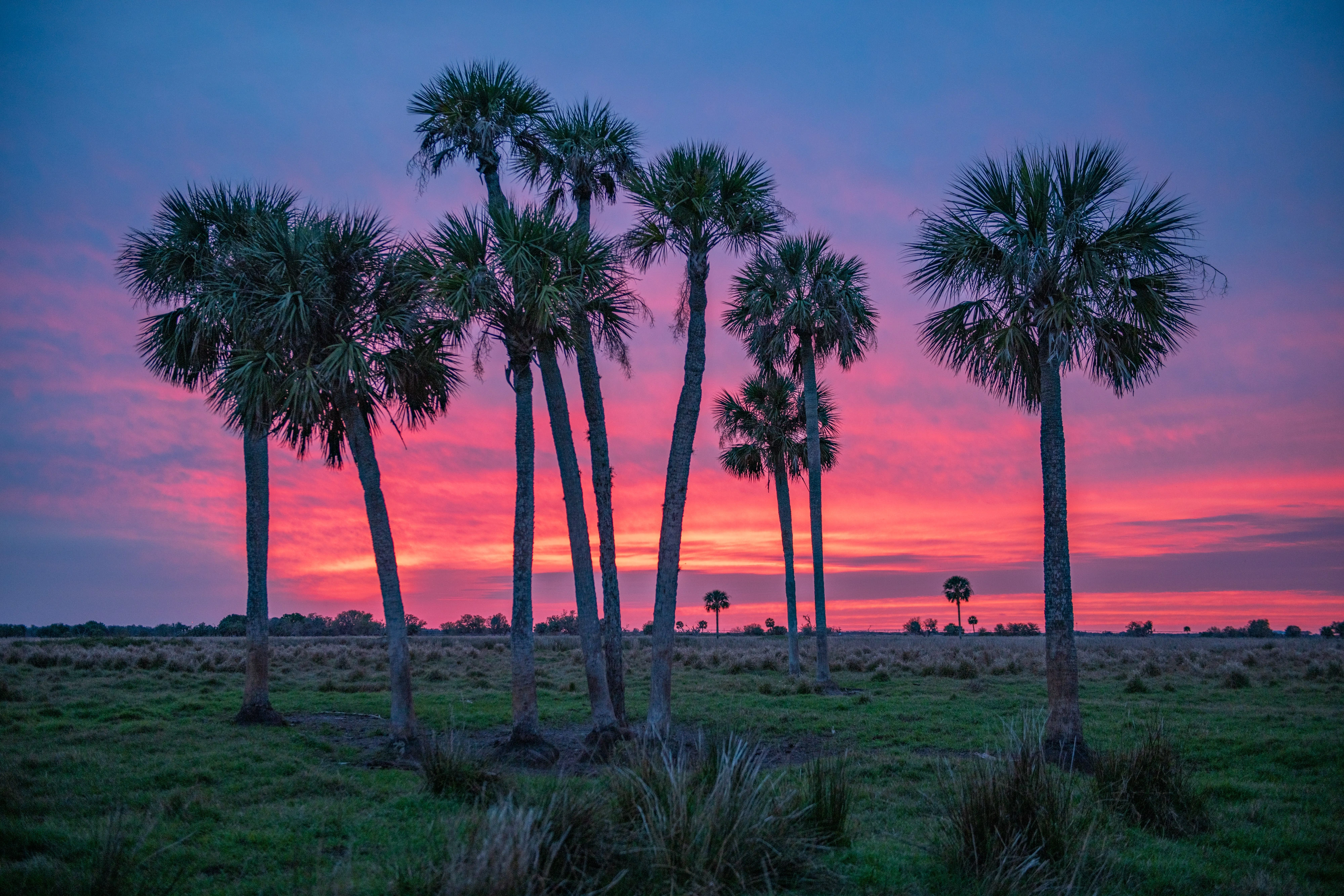 Photo by Lauren Yoho/Wildpath
Protecting Florida’s Natural Heritage: Key Land Acquisition and Future Trends
Protecting Florida’s Wildlife Corridor: A Major Conservation Effort
Governor Ron DeSantis and the Florida Cabinet have made significant strides in preserving the state’s natural heritage. Through the Florida Forever program and legislative assignments, an impressive 34,595 acres of critical conservation land have been approved for protection. This historic investment is poised to ensure the future of Florida’s iconic wildlife and improve landscape connectivity.
The acquisitions, all strategically located within the Florida Wildlife Corridor, bolster critical habitats and enhance land connectivity. Let’s break down the key acquisitions and their significance.
| Propterties informations: | Property Description | Acquisition Area |
|---|---|---|
| Waccasassa Basin, Levy County – Forests, Rivers, and Wildlife | 21,625 acres | |
| Ranch Reserve Forest, Osceola County – Grasslands, Pine Forests, and Wetlands | 7,548 acres | |
| Combined Acquisition, Caloosahatchee-Big Cypress Corridor, Collier and Hendry Counties | 3,881 acres | |
| Etoniah-Cross Florida Greenway in Putnam County – River and Wildlife Restoration | 1,541 acres | |
| Senior Agricultural Conservation Easement, Rural and Family Land Protection Program (”It includes multiple agricultural lands”) | 6,000 acres |
The Waccasassa Basin Investment: Protecting Florida’s Riparian Jewel
One of the most significant acquisitions involves 21,625 acres within the Waccasassa Basin in Levy County. This area is vital for maintaining the delicate balance of the St. Marks/Waccasassa watersheds. By protecting these forests, rivers, and a historic treemining site, the state is safeguarding habitats for species like Bald Eagles, Florida Black Bears, and Calder’s Beak Birds.
Ensuring Habitat Connectivity
This purchase doesn’t just protect wildlife; it directly enhances corridor connectivity. It provides a buffer zone, securing both natural areas and key aquatic habitats for future generations. "The natural beauty of Florida enriches the lives of all who consider her their home, and I thank Governor DeSantis and the Florida Cabinet for their leadership in the protection of the environment of our state for future generations," says Alexis A. Lambert, Secretary of the Florida Department of Environmental Protection.
The Ranch Reserve Forest: Preserving fragile Ecosystems
The 7,548-acre Ranch Reserve Forest in Osceola County is another critical acquisition. This land safeguards grasslands, pine forests, and wetland corridors, forming bridges between existing conservation areas like Wolf Creek Ranch and Escape Ranch. The habitat supports a variety of endangered species, including the Orange-tipped Boggle Flycatcher and Indigo Snake.
"Did you know?" The preservation of wetlands not only protects endangered species but also helps mitigate flood risks. Wetlands act as natural sponges, absorbing excess water and reducing the impact of heavy rainfall. In Florida, tens of millions of dollars are spent each year on flood prevention, but these expenses can be significantly reduced by preserving natural wetlands.
A Tale of the Everglades
A combined 3,881 acres have been acquired within the Caloosahatchee-Big Cypress Corridor. These lands span Collier and Hendry counties, forming a crucial connectivity link between the Florida Panther National Wildlife Refuge, the Big Cypress National Preserve, and the Dinner Island Wildlife Management Area. Protecting these habitats helps ensure future Florida families can see the majestic panther.
Agricultural Lands: Balancing Conservation and Economi Growth
The Rural and Family Land Protection Program has approved the acquisition of senior agricultural conservation easements on more than 6,000 acres. Through this program, agricultural lands remain undisturbed while supporting Florida’s agriculture. Conserving lands for agricultural land while ensuring agricultural viability is a growing trend. It’s no secret that Florida has been plagued by urban sprawl, but by providing tax incentives and economic benefits, sustainable agriculture can thrive in balance with human development.
Pro tip: Saving land isn’t just about the environment; it’s an economic move. Research shows that protected lands often generate more revenue through tourism and recreation than they would through agriculture or development. It can boost local economies, creating jobs and drawing visitors to the area.
Everyday Questions and informative Data
Ever wonder why these regions are so critical? Or maybe you’re curious about the endangerance of the Florida Panther. If you were searching for qualifications of what endangered or vital to conservation means, I would recommend going to a researcher. Otherwise, if you were to ask if these conservation acquisitions are going to help, here’s the answer: yes. The effect of these conservationists aren’t just in statistics, these are examples the world, country, and state needs to be replicating in order to preserve wildlife and ecosystems. "Florida has, in the last few decades, embarked on an impressive campaign of land preservation. But endangered species like the Florida panther may need even more protection to ensure their survival."
Future Trends in Landscape Connectivity
These acquisitions signal a growing trend in landscape connectivity. Fragmented habitats lead to significant biodiversity loss and hinder wildlife migration. By creating connected landscapes, Florida not only protects species but also ensures ecosystems’ health and resilience.
As development pressures increase, proactive land acquisitions will be crucial in maintaining habitat connectivity. The Florida Wildlife Corridor initiative provides a successful model that other states can emulate. Future strategies will likely focus on darker corridor development, balancing ecosystem needs with human growth.
From Everglades to Oceans: Protecting Aquifer and Recharging Groundwater
Another purchase of 1,541 acres within the Etoniah-Cross Florida Greenway in Putnam County will provide protection. It will not only connect conservation lands, but dugdeep into the Everglades, should they run integrally into the Greenway.
FAQ on Conservation Efforts
How does the Florida Forever program work?
The Florida Forever program aims to preserve natural lands and protect water resources through strategic land acquisitions. These acquisitions help to
maintain wildlife habitats and enhance corridor connectivity.
What qualifies a species as endangered?
An endangered species is one that is in danger of extinction throughout all or a significant portion of its range. This designation is typically made by government agencies.
Why are landscape connectivity initiatives important?
Landscape connectivity ensures species can access the habitats, food, and mates they need. It reduces the isolation of wildlife populations and lowers human impacts on ecosystems.
How do government programs support land conservation?
Government programs use legislative funding, tax incentives, donations, and other measures to support land purchases and protection initiatives that enhance natural areas.
Call to Action
Looking at trends in evergreen movements and seeing that land conservation must be continuous, these examples of success really show the tectonic shifts that should be made in order to preserve the planet. Make a statement through Florida conservation. Contact local agencies and see how you too can contribute.
Governor Ron Desantis Approves Protection of 34,595 Acres of Florida Wildlife Corridor. - Archynetys