
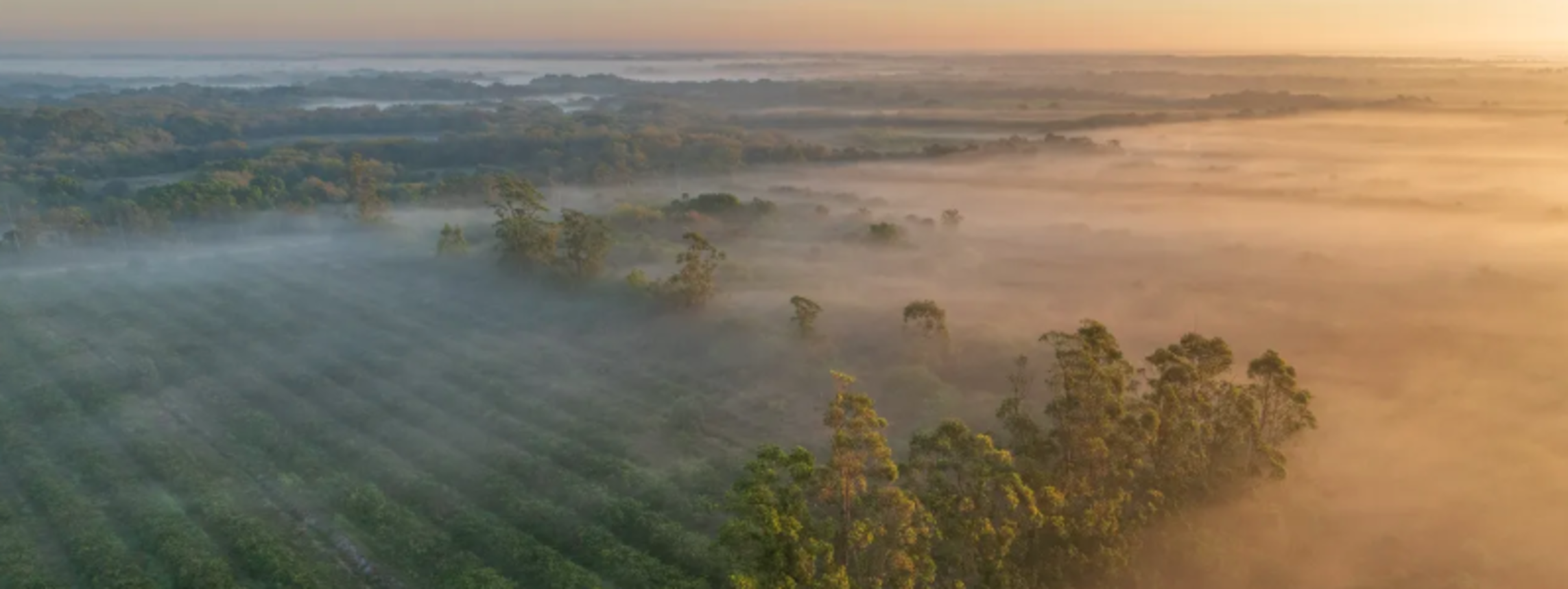
Primary panther habitat preserved in Southwest Florida as part of larger state land deal
By Amy Bennett Williams | Ft Meyers News Press
Florida Gov. Ron DeSantis and his cabinet approved spending $26.75 million for 3,818 acres of primary panther habitat in Southwest Florida Wednesday.
The Collier and Hendry land is within the Florida Wildlife Corridor, which provides safe passage and habitat for wildlife, including a number of at-risk species like the Florida panther.
The announcement was hailed by the nonprofit South Florida Wildlands Association (whose logo is a panther).
" Obviously we're very happy whenever we see Florida Forever purchases," wrote Executive Director Matt Schwartz in an email. "These projects are always well thought out in terms of how they fit into the overall ecology of an area. And the thousands of acres that will be acquired near the Hendry and Collier County border are a welcome addition to an existing network of public lands that allow panthers, black bears and other critters corridors to move between places like the Florida Panther National Wildlife Refuge and Big Cypress National Preserve to the south and the big complex of public lands to the north – the Okaloacoochee Slough State Forest and Wildlife Management Area and the Dinner Island and Spirit-of-the-Wild Wildlife Management Areas."
Where is the newly protected land?
The parcels are in a still-rural-but-developing-quickly area east of S.R. 29 near the Collier and Hendry county border.

Why does the state of Florida say it's important to buy such land?
By protecting these ecologically significant habitats and agricultural lands, these acquisitions will help prevent habitat fragmentation and ensure safe passage for imperiled species, including the federally endangered Florida panther,
These lands serve as a primary zone for the Florida panther, as well as a home for many other wildlife species, making this a vital step in their conservation, according to a release from the Florida Department of Environmental Protection announcing the deal.
Florida’s Legislature approved the Wildlife Corridor Act in 2021 with unanimous bipartisan support,.
Designed to protect some 18 million acres of habitat ranging from traditionally preserved land to working ranches with conservation easements, such connected green space is the last, best hope for Florida panther survival, many advocates say.
In recent years, the corridor concept has caught fire, bolstered by ranch-rooted Florida wildlife photographer and National Geographic Explorer Carlton Ward, who's become an ambassador for the effort.
"The survival of the Florida panther depends on the protection of a network of statewide public and private lands, known as the Florida Wildlife Corridor," according to Ward. "This network of land gives the panther hope for rebounding its population and recovering some of its historic range."

Just one part of several conservation buys statewide
The Southwest Florida parcels were part of a wider effort announced Wednesday: a total of 34,595 acres of critical conservation lands preserved through the Florida Forever Program and legislative appropriations, "marking a significant step in preserving the state’s natural heritage," the department said.

What else was conserved in Florida?
Other buys and easement agreements Wednesday adding conservation lands throughout the state included:
- A perpetual conservation easement on 3,700 Charlotte County acres currently in citrus and cattle,
- A 21,625-acre acquisition within the Waccasassa Watershed Florida Forever Project in Levy County will protect working forests, safeguard the Waccasassa River and Bay and provide an upland buffer for Waccasassa Bay State Preserve and the Big Bend Seagrasses Aquatic Preserve. Home to wildlife such as bald eagles, gopher tortoises, Florida black bears and swallow-tailed kites, this site also contains historic remnants from Florida’s once-thriving turpentine industry. It is within the Florida Wildlife Corridor.
-
- A 7,548-acre conservation easement within the Ranch Reserve Forest Florida Forever Project in Osceola County will preserve pastures, pine flatwoods and wetland corridors, linking existing conservation lands such as Wolf Creek Ranch and Escape Ranch. The land provides habitat for endangered species including the arogos skipper butterfly, eastern indigo snake, Florida burrowing owl and red-cockaded woodpecker. It is also within the Florida Wildlife Corridor.
- A 1,541-acre acquisition within the Etoniah-Cross Florida Greenway Florida Forever Project in Putnam County will connect the Marjorie Harris Carr Cross Florida Greenway with other conservation lands and protect key surface water and aquifer recharge areas flowing into the Ocklawaha and St. Johns rivers. It provides habitat for Florida black bears, gopher tortoises, sandhill cranes and swallow-tailed kites. The property is also within the Florida Wildlife Corridor and the Ocala-to-Osceola Wildlife Corridor.
-
'Protecting our state’s environment for future generations'
The acquisitions, all within the Florida Wildlife Corridor, secure habitat for Florida’s iconic wildlife and enhancing landscape connectivity, the Florida Department of Environmental Protection said in a release.

“The natural beauty of Florida enriches the lives of all who call it home, and I thank Governor DeSantis and the Florida Cabinet for their leadership in protecting our state’s environment for future generations,” said department Secretary Alexis A. Lambert.
The governor and Cabinet also approved the acquisition of permanent agricultural land conservation easements over more than 6,000 acres within the Florida Department of Agriculture and Consumer Services’ Rural and Family Lands Protection Program, ensuring that working lands remain undeveloped while continuing to support Florida’s agricultural economy, the department said.
Pleased as Schwartz is with the purchases, he's clear-eyed about the corridor: "Whenever land in the Florida Wildlife Corridor is purchased for conservation, DEP always makes announcements. But the opposite doesn't happen," he said. "In fact, DEP keeps no records of lands that are purchased and developed inside the corridor.
- "That can give the public the false impression that the corridor is growing all the time. That might be true in terms of protected lands – but in terms of the corridor itself that wildlife use, it's shrinking on a regular basis."
- Wildlife corridor gets big boost in SWFL with new land purchases