
Why springs are Florida’s next front line in resiliency
By The Citrus County Chronicle
In Crystal River, the work of restoring Kings Bay has become part of the town's rhythm. Most residents know about the muck removal, the grass plantings, the manatees grazing in once-clouded waters. But what's often overlooked, perhaps because it is not immediately visible, is just how important these efforts have become in Florida's growing conversation around environmental resiliency.
As cities and coastal regions across the state explore ways to harden shorelines and protect infrastructure from intensifying storms, rising seas and saltwater intrusion, another form of defense is quietly taking shape underwater. What is happening in Crystal River is more than the cleansing of the water. It is about adaptive infrastructure.
Since 2012, Save Crystal River and its aquatic restoration partners at Sea & Shoreline have uncovered and reopened more than 850 natural spring vents. These are not just aesthetic features or curiosities for swimmers and snorkelers (though we love that as well). They are part of a vital freshwater network, one that feeds the largest concentration of springs in the world, supports drinking water supplies, and anchors the ecosystems that make up the Florida Wildlife Corridor.
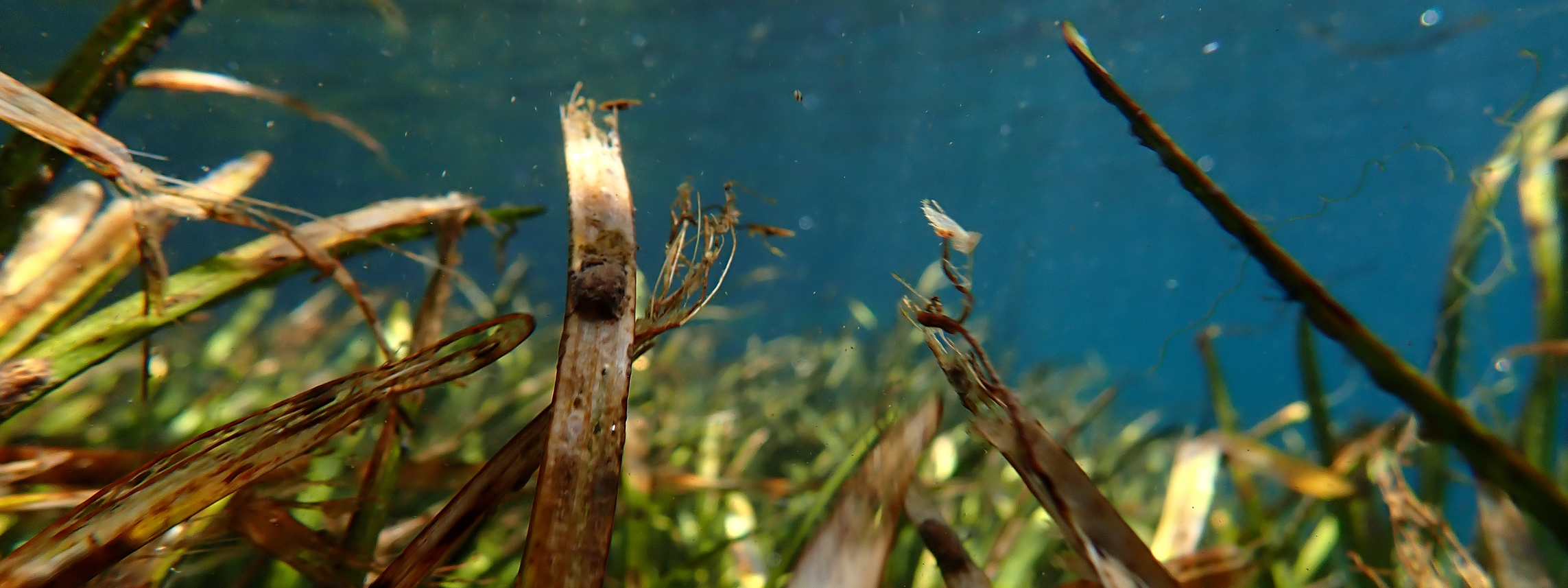
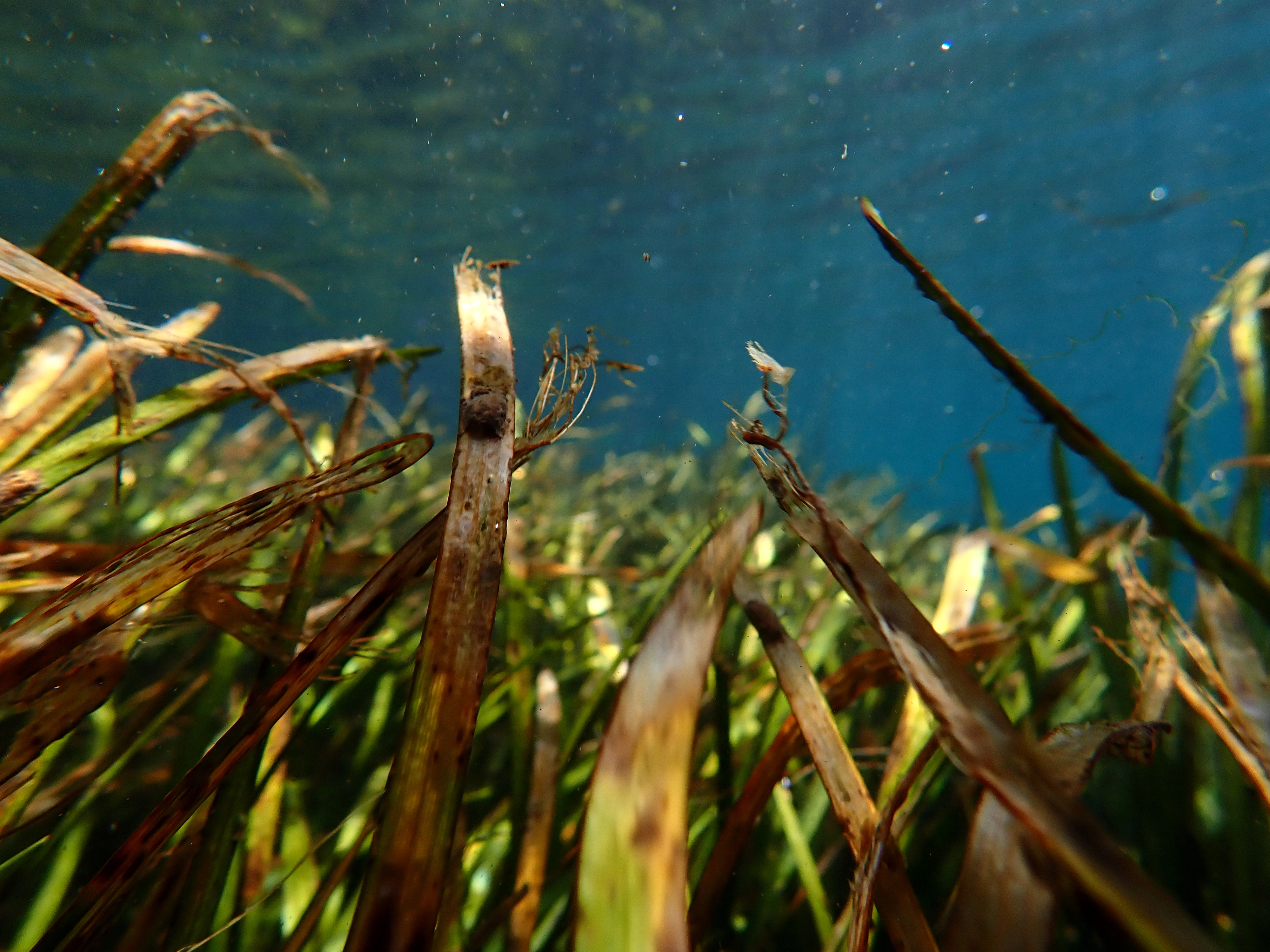
These reopened vents, along with over 105 acres of restored eelgrass, are now helping the bay filter sediment, cool water temperatures, and hold oxygen. In the aftermath of five hurricanes such as Helene, scientists were able to measure the impact: a 25 percent reduction in fine organic muck in many restored areas. According to aquatic ecologist David Ceilley, whose team led sediment sampling, "the systems with restored seagrass fared significantly better."
This is resiliency in its most literal form. The spring vents increase circulation. The eelgrass roots hold sediment in place. The cleared muck allows native life to return. Instead of relying solely on concrete bulkheads, pumps or chemicals, Save Crystal River has spearheaded building back nature, using nature.
The return of the ecosystem is evident and rewarding on many levels. With the regrowth of submerged vegetation, fish populations have risen, and scalloping seasons have become more productive. King's Bay has reemerged as a vibrant spot for sport fishing and recreational harvest, reinforcing the fact that environmental health translates directly into local livelihood.
Where all of this is encouraging, environmental restoration and the creation of resilient ecosystems are processes, not finite projects. As noted in Save Crystal River's annual report, while progress has been profound, there is still much to be done. Areas remain that have not recovered, shorelines of some of our barrier islands are rapidly deteriorating and areas continue to receive sediment runoff from nearby development or erosion. With climate conditions intensifying, the margin for delay is shrinking. If we want our ecosystems to keep "going with the flow," our stream of consciousness must become a current of ACTION.
To put in a larger context, the Florida Wildlife Corridor spans nearly 18 million acres of connected habitat, and springs like the ones in Kings Bay are its lifeblood. If these systems fail, the corridor weakens. But if they are protected and restored, they can act as a buffer, not just for manatees and fish, but for communities, shorelines, and the waters that sustain us.
The lessons from Crystal River extend beyond county lines, and they are worth listening to, especially as state and federal resiliency funding increases. This is a moment when Florida must choose how it invests in the protection of our rivers for generations to come.
Lisa Moore is the President of Save Crystal River.