
Putnam acres added to wildlife corridor
Peter Willott | Palatka Daily News
More than 1,000 acres of land south of Interlachen have been permanently protected as part of the Florida Wildlife Corridor, and state leaders approved funding to add another 3,094 acres in Putnam County to the effort.
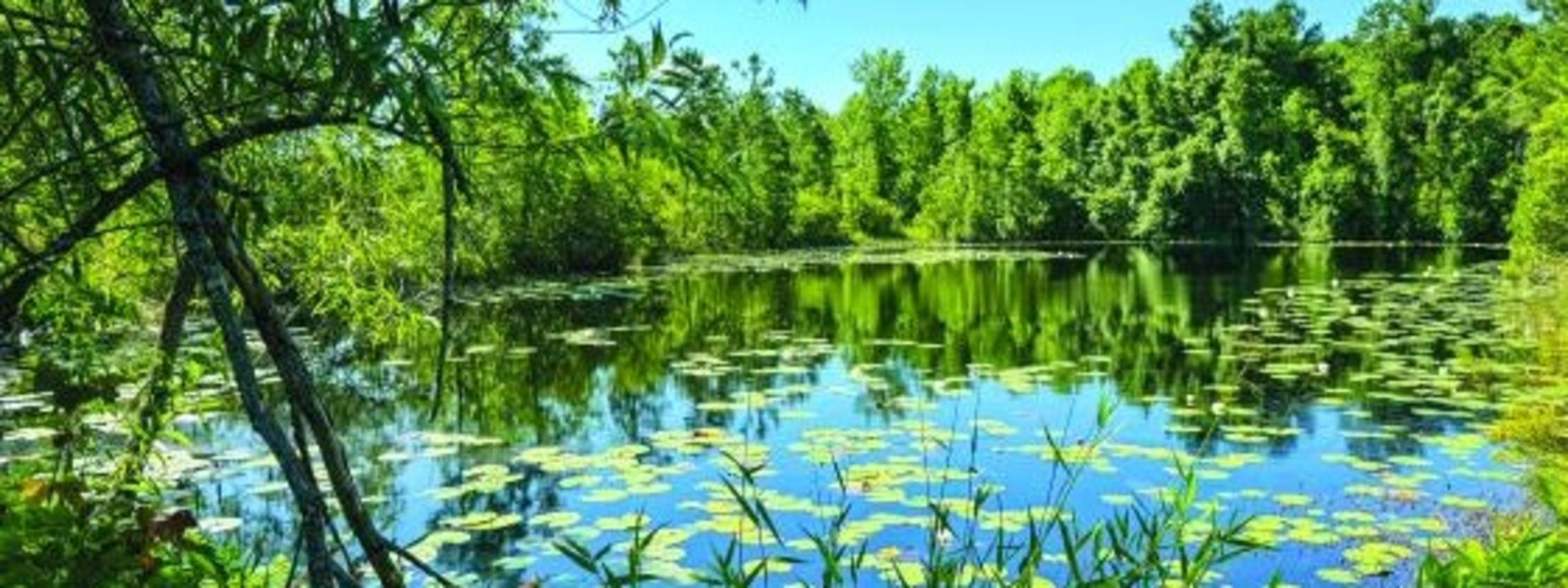
The newly approved property, part of the Little Orange Creek Florida Forever Project, will link habitats between Little Orange Creek Nature Park, Putnam Lakes Preserve and the BJ Bar Ranch conservation easement. Officials say protecting the wetlands will improve water quality in the Orange Creek basin and safeguard species ranging from Florida black bears and gopher tortoises to sandhill cranes and swallow-tailed kites.
The dual acquisitions represent a major step for the Ocala-to-Osceola section of the Florida Wildlife Corridor, which conservationists describe as critical to connecting Central and North Florida landscapes. Nearly 120,000 acres have been approved for permanent protection across the state this year, with Putnam County playing a key role in filling gaps between existing preserves.
“This project has been years in the making,” said Willy the Losen, CEO and conservation director of the Putnam Land Conservancy. “The sellers wanted to close quickly, and The Conservation Fund stepped in as an interim buyer until the state could finalize the deal. Without that step, this land might have been lost.”
The deal was completed in late 2024 when The Conservation Fund purchased the land from timber company Rayonier Inc. to prevent development. The property was later transferred into public ownership through the Department of Environmental Protection’s Florida Forever program, the state’s flagship land-conservation initiative.
“The Florida Wildlife Corridor is vital to sustaining Florida’s people and wildlife, and we’re thrilled to help protect this special place,” Lauren Day, the state director for The Conservation Fund, said in a media release. “When properties like this one come up for sale, we must act quickly to protect them from development, preserving Florida’s natural lands and way of life.”
Day noted the project’s speed required broad collaboration, including support from the North Florida Land Trust and the Putnam Land Conservancy.
“It truly takes a village to pull something like this off,” she said.
In addition to the 1,000-acre acquisition that closed last month, Putnam County is among seven counties across Florida benefiting from a major land conservation push Gov. Ron DeSantis and the Florida Cabinet approved Tuesday.
In all, the state approved funding to permanently protect more than 22,000 acres, including 3,094 acres in Putnam within the Little Orange Creek Florida Forever Project. The state approved spending $5.45 million for the Putnam County land, according to the News Service of Florida.
“We are grateful to Governor DeSantis and the Cabinet for their decisive action to permanently protect vital lands within the Florida Wildlife Corridor today,” the Florida Wildlife Corridor Foundation said in a statement. “With nearly 120,000 acres approved for conservation this year alone, Florida is setting the pace needed to ensure the long-term survival of our state’s connectivity.”
The Cabinet approvals spanned Putnam, Okeechobee, Hendry, Hardee, Martin, and Osceola counties, protecting cattle ranches, farms, wetlands and wildlife habitats. Nearly 10 million acres of the 18-million-acre Florida Wildlife Corridor are now under permanent protection.
Conservationists often compare the corridor to an interstate highway system, only for wildlife. Just as Interstates 75 and 95 connect Florida’s cities, the corridor links the state’s large conservation areas: Everglades National Park, the Avon Park Bombing Range, the Ocala and Osceola national forests, and finally north to the Okefenokee Swamp in Georgia.
But like the road system, the corridor needs smaller “collector roads” and local routes. Those come in the form of state parks, private preserves, greenways and smaller land purchases that fill in the gaps, according to the Losen.
“Without those connectors, large preserves become islands,” the Losen explained. “You lose genetic diversity, species decline, and entire populations can collapse. With the corridor, species like the Florida black bear, which need hundreds of square miles for a single territory, have a way to move. One day, even panthers could roam from the Everglades into Georgia.”
The newly protected tract lies just east of County Road 315, about 3 miles south of Interlachen, and abuts land managed as part of the Marjorie Harris Carr Cross Florida Greenway.
“Right through the middle of Putnam County, you’ve got Nine Mile Swamp; it’s like a wildlife highway,” the Losen said. “These lands are vital for species survival, but they’re also vital for people. They provide clean water, carbon storage, flood control, green space for recreation, and a healthier future.”
The Ocala-to-Osceola corridor has been recognized as a top conservation priority by the state. In 2023, the Legislature approved a special appropriation with bipartisan support to accelerate acquisitions in the Ocala-to-Osceola region, underscoring the growing urgency to protect the region from sprawling development.
“For the past 25 years, the Florida Forever Program has focused on conserving the state’s native landscapes, watersheds, agricultural and working lands, and wildlife habitats,” Bryan Bradner, the Department of Environmental Protection’s deputy secretary for land and recreation, said in a release statement. “Through cooperative partnerships, Florida Forever continues to serve as the state’s blueprint for conserving our natural resources.”
The program, now celebrating its 25th anniversary, has helped conserve more than 1 million acres across the state and completed more than 200 conservation easements.
The Conservation Fund describes its mission as “protecting the land that sustains us all.” For the Losen, the mission is just as local as it is global.
“Our focus is on conserving land and water for people and wildlife,” Bradner said. “Protecting big landscapes close to home, that’s how we make the corridor real, not just a map. These lands we’re conserving today will shape the health and quality of life for generations to come.”
Putnam acres added to wildlife corridor | Palatka Daily News, Palatka, Florida