
To conserve large landscapes like the Florida Wildlife Corridor, payments for ecosystem services could be key (commentary)
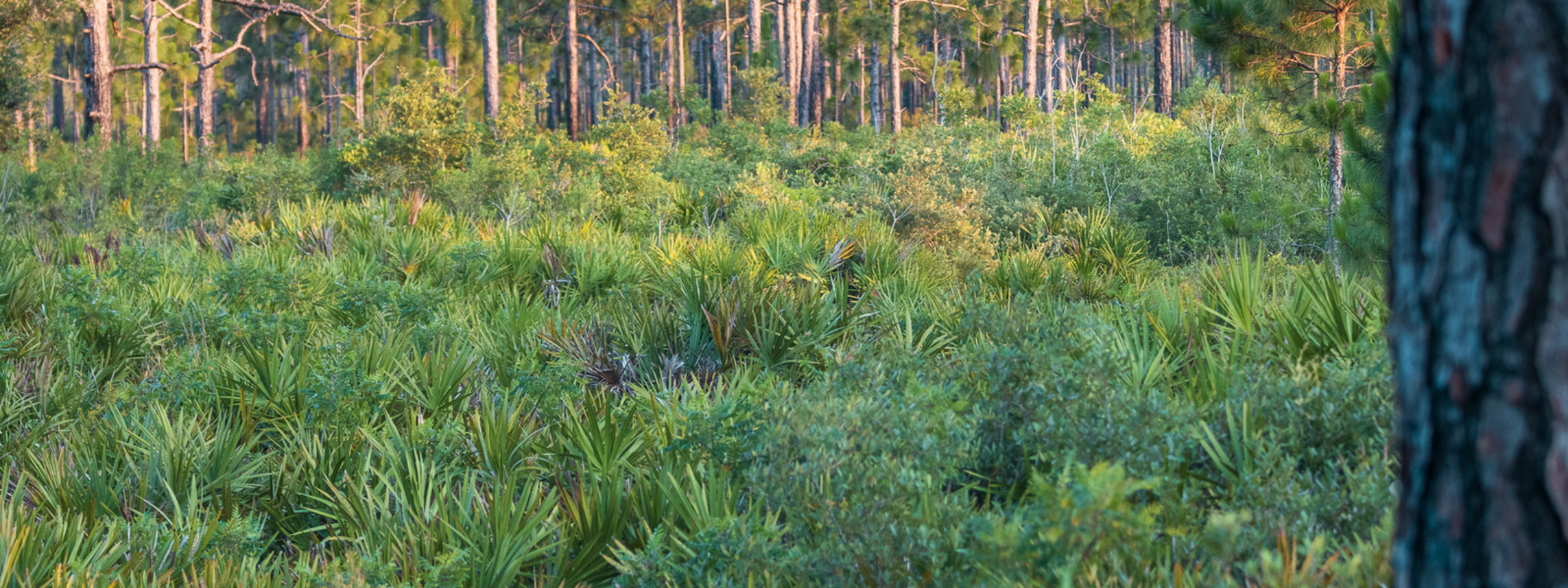
In Florida, one stunningly ambitious habitat conservation program is creating a model for a future in which people coexist with nature. Spanning the length of the state—from Alabama to the Everglades—the Florida Wildlife Corridor is a vision for a continuous, 18-million-acre tract of land that aims to keep nearly 50% of the state undeveloped.
The challenges are great: Florida has among the fastest-growing state populations, averaging 1000 additional residents per day in 2023. As people flock to Florida, the price of land—whether for conservation or development—rises. Between 2001-2019, over 525,000 acres (820 sq. miles) of natural lands, timberlands, crops, and ranch lands were converted to development, an area almost 15 times the size of Miami.
In the face of advancing development, conserving nearly 50% of Florida will require every tool in the toolbox. Thus far, conserving the corridor has primarily been achieved through public acquisition (outright purchases to create new conservation areas) and conservation easements (in which the landowner retains the land but relinquishes certain development rights). Progress has been promising: since the Florida Wildlife Corridor Act was approved in 2021, state funding and agencies have helped private landowners conserve an additional 200,000-plus acres within the corridor.
However, we can conserve more, faster by employing other tools, too. We are heartened by budding efforts to protect the corridor—and other large landscapes like it—with diversified toolkits, especially by investing more in payment for ecosystem services (PES) programs to complement acquisitions and easements. Paying landowners to maintain and improve ecosystem services on their lands can quickly contribute to economic sustainability for landowners, reducing pressure to sell their land to developers. PES can also potentially provide conservation at a lower public cost than acquisition or easements and/or buy time to find public or private funds for permanent easement or acquisition.
Read the rest of the article by Joshua Daskin and Jen Guyton at To conserve large landscapes like the Florida Wildlife Corridor, payments for ecosystem services could be key (commentary) (mongabay.com)