
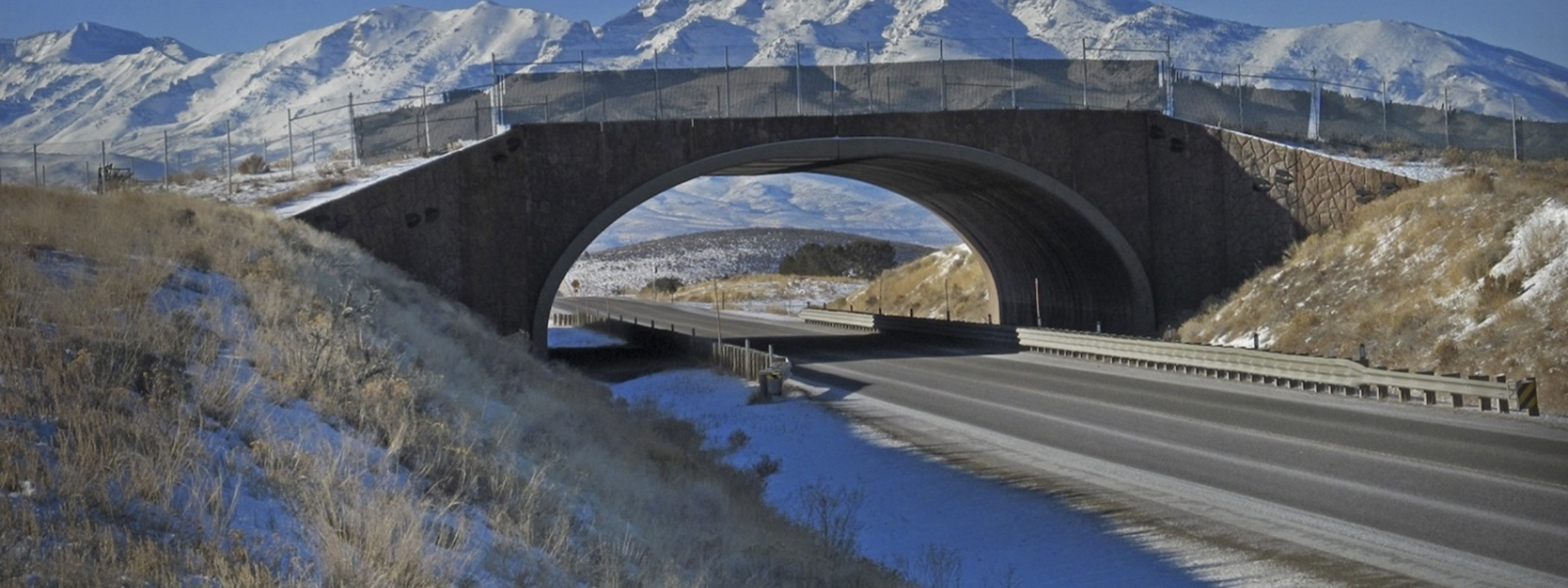
A new, important wildlife corridors bill
Saving America’s wildlife requires us to understand the migrations and daily patterns of animals and to limit the damage caused by roads, fences and buildings.
Humans are great at building things: skyscrapers, cities, coliseums, roads, freeways, aqueducts, canals, dams and… you name it. We create big things, and we’re proud of it.
What’s beginning to dawn on us is that the construction of impressive and sometimes magnificent things has fragmented wildlife habitats, harming other living creatures around us.
Example #1. David Willard devotes time every morning to picking up dead birds that crashed into a Chicago building. He’s been doing this for 40 years.
Example #2. A semi truck struck and killed 13 bison on a road near Yellowstone.
Example #3. The life and death of P-22. (If you don’t know this big cat story, you need to check it out.)
The death of these animals is one thing. It’s quite another when you consider their deaths within the context of a larger biodiversity crisis, one in which the total number of animals is shrinking and far too many species are migrating closer and closer to extinction, at rates far above “normal” levels.
Enter, stage right, wildlife corridors
The idea behind wildlife corridors is quite simple. Animals migrate, often in semi-predictable ways. If we study their seasonal and daily patterns, and if we map their amblings, then we can begin to understand the ways in which we can help them go about their routines.
At the 30,000 foot view, salmon swim upstream to spawn. Monarch butterflies fly north in the summer. Ungulates (mule deer, pronghorn, elk, etc.) migrate to avoid harsher winter conditions. Etc.
If we can understand these seasonal patterns and get more precise with the daily details, we can better design our roads, fences and other infrastructure to save wildlife.
Continue reading at A new, important wildlife corridors bill (environmentamerica.org)