
The Florida Wildlife Corridor
New from Coastal Breeze News by Matea Denison
Florida’s wilderness- an outstretched tapestry of sundry habitats- defines the coalesced essence of life itself. Its coastlines, swamps, pine forests, and prairies, sustain a prodigious diversity of plants and animals, just as the veins that run through a body support the essential functions of existence. These landscapes not only shelter wildlife but allocate crucial services for humans, from filtering drinking water to contributing spaces for recreation and spiritual renewal. Yet, this natural bounty is under siege. Rapid development and population growth fragment habitats with housing, roads, and other barriers, threatening to unravel the ecological connections that nurture life across the state.
Collier County is not immune. “This region is under tremendous development pressure,” warns Alex Freeze, Corridor Connect Director of the Florida Wildlife Corridor Foundation. Keith Laakonen, Sanctuary Director of Corkscrew Swamp, agrees that Naples is facing a pivotal dilemma, saying, “Our real concern is that Corkscrew will become Central Park.”
This disconnect extends further than animals and nature- reaching the brink of Florida’s natural history and isolating the untamed roots locals were raised on. The Florida Wildlife Corridor stands as an intrinsic and innovative answer. Spanning 18 million acres of interconnected wildlands, ranches, and farmlands, the Corridor attempts to join Florida’s wild spaces into a complete passageway for the safety of animals and the health of locals. While 10 million acres of the Corridor are already under protection, the urgency to conserve the remaining eight grows rapidly as Florida welcomes more than a thousand new residents each day.
According to Jason Lauritsen, Chief Conservation Officer of the Florida Wildlife Corridor Foundation, critical analyses are conducted to define the most meaningful connections within the eight million acres that remain unprotected. “Rapid development pressure and conversion of land use, combined with geometry analyses, gives us an idea of the vulnerability and urgency of an area- we prioritize those critical places.” The amalgamation of rich biodiversity, developmental growth, and narrow passageways has placed Collier County and surrounding areas at the top of their list of precarious opportunity areas.
“The Florida Wildlife Corridor is ambitious, but it’s achievable,” Lauritsen admits. He recounts that during the peak of Everglades restoration funding, Floridians conserved over 200,000 acres of land in several years, making the Corridor Foundation’s commitment historically possible.
This historical success demonstrates that large-scale conservation efforts are not only possible but can be remarkably effective with dedicated resources and public support. Endeavors to preserve the Corridor received a major boost with the passage of the Florida Wildlife Corridor Act in 2021. This legislation directs state agencies to prioritize investments that enhance the Corridor, and recent funding has accelerated conservation projects. Much of the land that remains unprotected is privately owned, making partnerships with ranchers and landowners critical.
Mallory Dimmitt, CEO of the Florida Wildlife Corridor Foundation, emphasizes the Act’s magnitude, “It passed with unanimous support from the state legislature and returned significant funding to levels that hadn’t been there for years.” Conservation easements- agreements that compensate landowners for maintaining habitats- are helping to balance economic viability with ecological preservation. Dimmit is thankful and relieved at the landowners’ supportive reaction. “There is by no means a lack of interest from landowners- I would actually say there is more interest than there is funding available.”
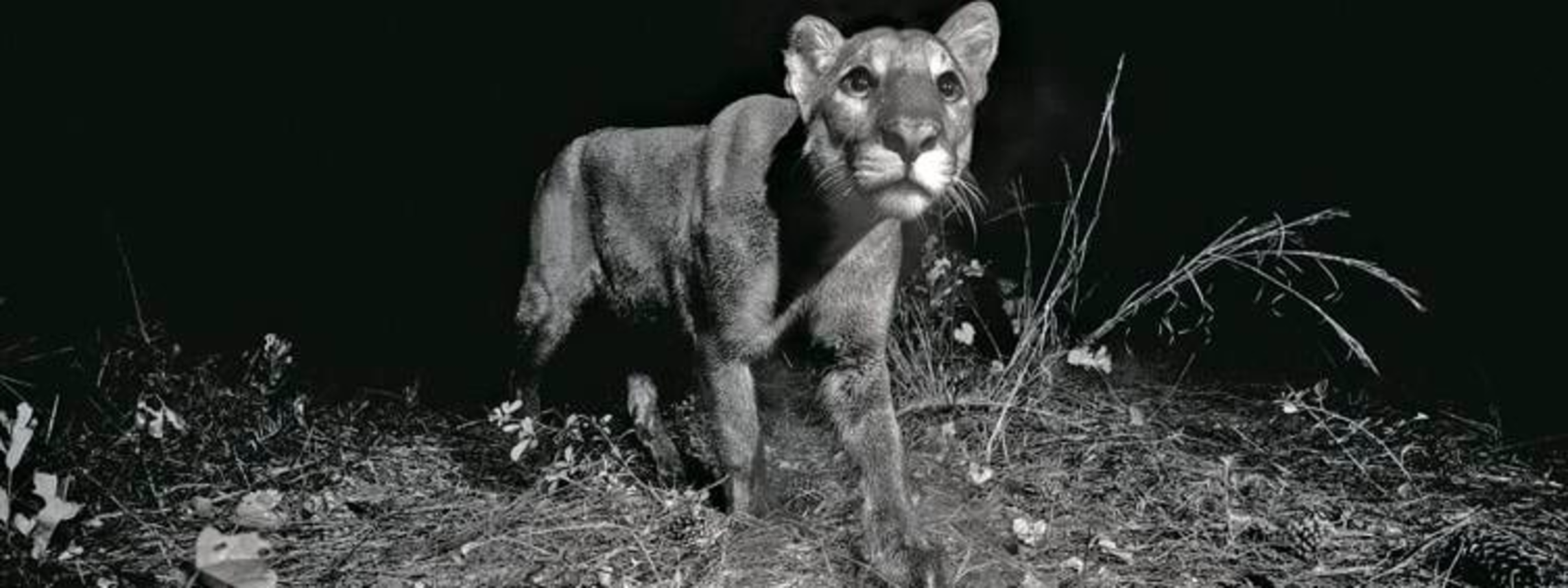
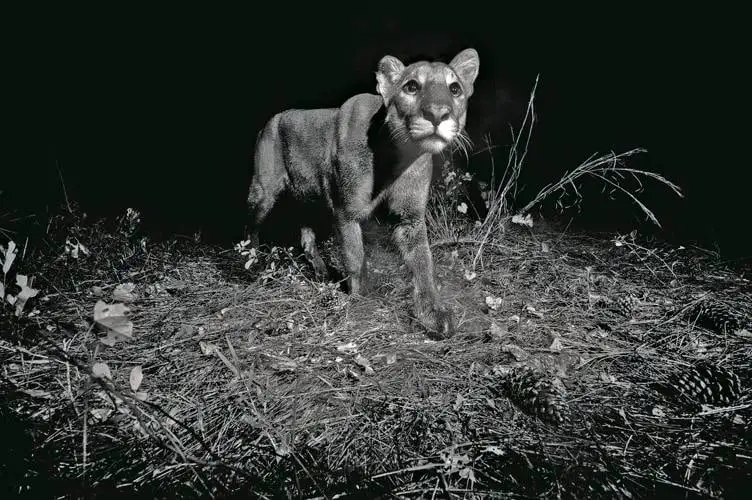
However, the urgency to act has never been greater. “This is the decade that we need to be working as fast as we can to protect the Wildlife Corridor while we still have that chance,” said Dimmit. As development continues to fragment Florida’s landscapes, the Corridor functions as the last hope for imperiled species, forming a lifeline for mammals like the Florida panther, which rely on vast, unbroken habitats to survive. A stark reminder that saving Florida’s iconic wildlife means protecting an intricate web of connected lands. Lauritsen highlights an example of what would happen if Collier County’s critically protected habitats became separated. “If the connections to Corkscrew Swamp were severed and you didn’t have that area connected to the Florida Wildlife Corridor, that island over time would lose species. Panthers would be one of the first, and local common species would disappear soon after.”
Panthers would not be the only ones to suffer the consequences of a disjointed habitat. “There are ecosystem services that nature provides to humans that help with our quality of life.” Lauritsen explains that corridors provide essential functions for water storage and quality- supplying locals with safe drinking water, natural flood storage, and swimmable coasts. He also mentions that Florida’s economy is firmly tied to recreation, tourism, and food production that rely on landscapes within the footprint of the Florida Wildlife Corridor. “Most of the unprotected eight million acres are working lands producing cattle and timber. That food and fiber is an important part of our food security, building industry, production, and economy.” Lauritsen insists that saving the Corridor will inevitably sustain the state’s health and economy.
Conservation is a race against time, but the momentum generated by the unanimous support for the Florida Wildlife Corridor Act reminds us that ambitious goals are achievable when public and private sectors work together. A future where development and preservation coexist in harmony is possible, according to Lauritsen, “We’ve been working with developers and the consulting community to help them identify an approach that has corridor compatibility within their community design.” He stresses that the foundation’s technique is not a regulatory hammer but a collaboration between landowners, developers, and consulting firms.
From providing biodiversity and flood mitigation to supporting agriculture and recreation, the Corridor’s impact reaches every Floridian. Protecting the remaining eight million acres is not just about saving species like the Florida panther but securing the resources and quality of life that make Florida unique. Despite the urgency, Lauritsen remains hopeful. “The intention, dedication, and thoughtfulness to land management in the backcountry was bringing tears to my eyes just seeing how far they’ve come.” By safeguarding this network of wildlands, Florida is taking a bold step toward a future where development respects the delicate balance of nature- a future where the Corridor remains a lifeline for generations to come.
To learn more about the Florida Wildlife Corridor and the Foundation’s mission, visit floridawildlifecorridor.org. Watch for Part Two: Strand to Slough; where the Florida Wildlife Corridor Foundation traverses Collier County’s corridor connections with local trekkers and a film team.